

Poor ventilation is a common issue in many Irish homes, which often goes unnoticed until dampness, mould, or musty smells appear. These signs show that stale air and excess moisture are trapped inside, affecting both comfort and health.
So knowing if your home needs a ventilation system installed can help you take early action to protect your property. With the right system, you can reduce condensation, improve air quality, and make your home feel fresh. Investing in good ventilation means creating a healthier, more comfortable living space for your family.
This blog will help you learn the importance of proper ventilation for homes & the signs that you need ventilation.
Why Proper Ventilation Matters for Irish Homes?
Ireland’s damp weather makes moisture control a constant challenge for homeowners. Without proper ventilation, humidity builds up indoors, leading to condensation, damp patches, and mould growth.
Good ventilation not only helps remove excess moisture but also replaces stale air with fresh, cleaner air from outside. This balance keeps rooms comfortable, reduces odours, and prevents long-term damage to walls and furniture. A well ventilated home also has fresher air and less damp.
5 Signs That Your Home Needs a Ventilation System Installed
Many Irish homes deal with hidden air quality problems that can cause damp, mould, and discomfort. These five signs help you spot the problem early.
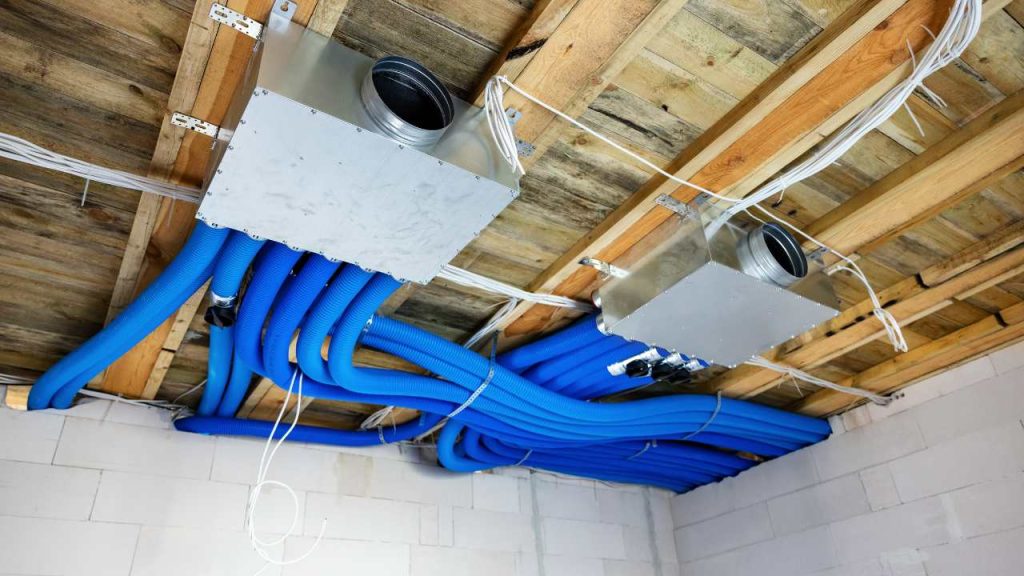
1. Constant Window Condensation
If your windows often fog up, especially in the mornings, it’s a clear sign that moisture is trapped inside your home. This usually happens when warm, humid air meets cooler glass surfaces. Our condensation season checklist shows what to try yourself first.
Over time, it can damage woodwork and lead to mould growth. A proper ventilation system helps remove this excess moisture and keeps your rooms feeling fresh and dry all year round.
2. Mould and Damp Smells
When you notice a persistent musty smell or dark spots on walls, ceilings, or skirting boards, it’s a clear sign of trapped moisture and poor airflow. This happens when warm, moist air cannot escape and begins to settle on cooler surfaces, creating the perfect conditions for mould growth. Mould is not always visible: these are the signs of a hidden mould problem.
Apart from looking unpleasant, mould can worsen allergies and respiratory conditions. Over time, it can even damage paint, plaster, and woodwork. Installing a ventilation system helps control humidity levels by removing stale, moist air and bringing in clean, filtered air, keeping your home dry, fresh, and free from unpleasant smells.
3. Heavy and Stuffy Air Indoors
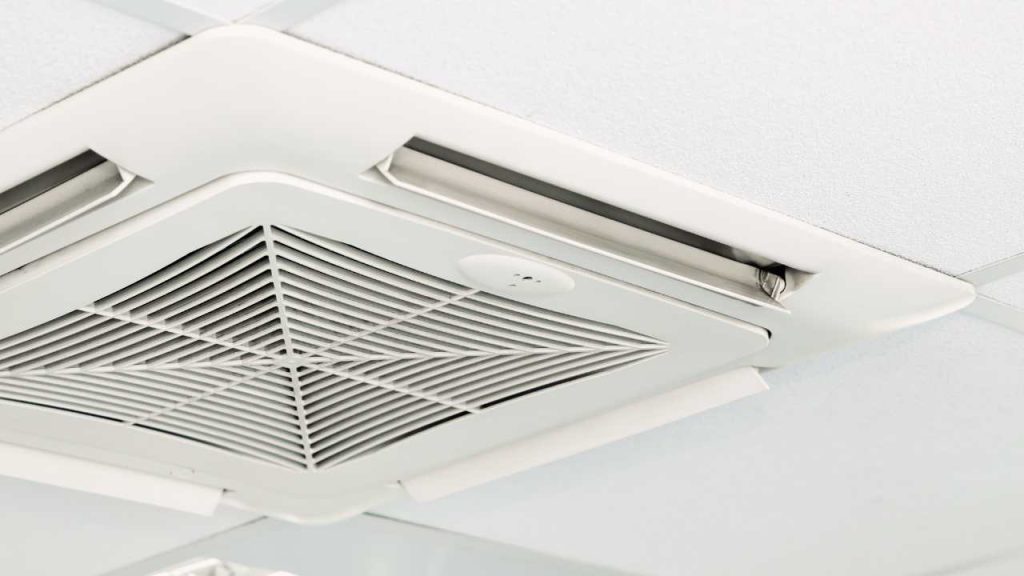
If the air in your home feels heavy or difficult to breathe, especially in rooms with little natural ventilation, your home may not be circulating air properly. This build-up of stale air traps moisture, dust, and airborne pollutants, making your space feel uncomfortable and lifeless.
Even opening windows may not be enough, especially in colder months when outdoor air is damp. A proper ventilation system helps by continuously replacing stale air with fresh air from outside, balancing temperature and humidity levels. This keeps your home feeling lighter, cleaner, and more pleasant to live in throughout the year.
4. Smells That Linger Too Long
Lingering odours from cooking, pets, or damp areas are often a sign that your home’s air is not being refreshed as it should be. Poor ventilation allows these smells to settle and stay trapped in soft furnishings, curtains, and carpets.
Over time, this can make your home feel stuffy and unpleasant. A modern ventilation system constantly replaces stale air with clean, filtered air, helping to clear unwanted smells quickly and efficiently. It also prevents pollutants from building up, so your home always smells fresh and feels more comfortable for you and your family.
5. Allergy or Breathing Problems Indoors
If you or your family often experience sneezing, coughing, or itchy eyes at home, poor indoor air quality could be a hidden cause. Dust mites, mould spores, and pollen grow in still, humid environments, worsening allergies and breathing difficulties. Without proper airflow, these irritants remain in the air you breathe every day.
A ventilation system keeps fresh air moving and humidity in check, so damp and mould have less chance to take hold. If symptoms persist, talk to your GP as well; ventilation deals with the damp, not the diagnosis.
Conclusion
Understanding how to know if your home needs a ventilation system installed helps you take the right steps toward a healthier, drier, and more comfortable living space. From spotting condensation and mould to noticing stale air or lingering smells, the signs are easy to identify once you know what to look for. Installing a proper ventilation system not only protects your home but also improves your family’s well-being by maintaining cleaner indoor air.
If you’re ready to improve your home’s air quality, send VentSolve photos of the problem rooms with your Eircode and we reply with the system that suits your home and a free preliminary quote by email. If you are still deciding which type of system, our guide to the best home ventilation for Ireland’s climate compares MVHR, single room units, extractor fans and PIV.
FAQs
1. What are common signs that a home needs a ventilation system?
Persistent condensation on windows, musty smells, and air that feels stale or heavy are all indicators your home may need improved airflow.
2. How does poor ventilation affect indoor air quality and health?
When air doesn’t circulate properly, pollutants, moisture and allergens build up, which can worsen allergies and respiratory issues.
3. Does a modern airtight home still need a ventilation system?
Yes. Homes that are well insulated and sealed often lack natural airflow, making mechanical ventilation important to maintain air quality.
4. How can I tell if my ventilation system is not working well?
If you notice lingering cooking smells, damp patches, or rooms that always feel stuffy, it may be time for a review of your ventilation setup.
5. How can VentSolve help me assess my home’s ventilation needs?
Send us photos of the problem rooms with your Eircode. We reply with the system that suits your home and a free preliminary quote by email. If an on-site survey or a detailed survey report is needed, that is charged separately.
6. Why should I choose VentSolve for installing a ventilation system rather than doing it myself?
With VentSolve you’ll benefit from professional design, correct system sizing and trained installers who ensure optimal performance and long-term reliability.