
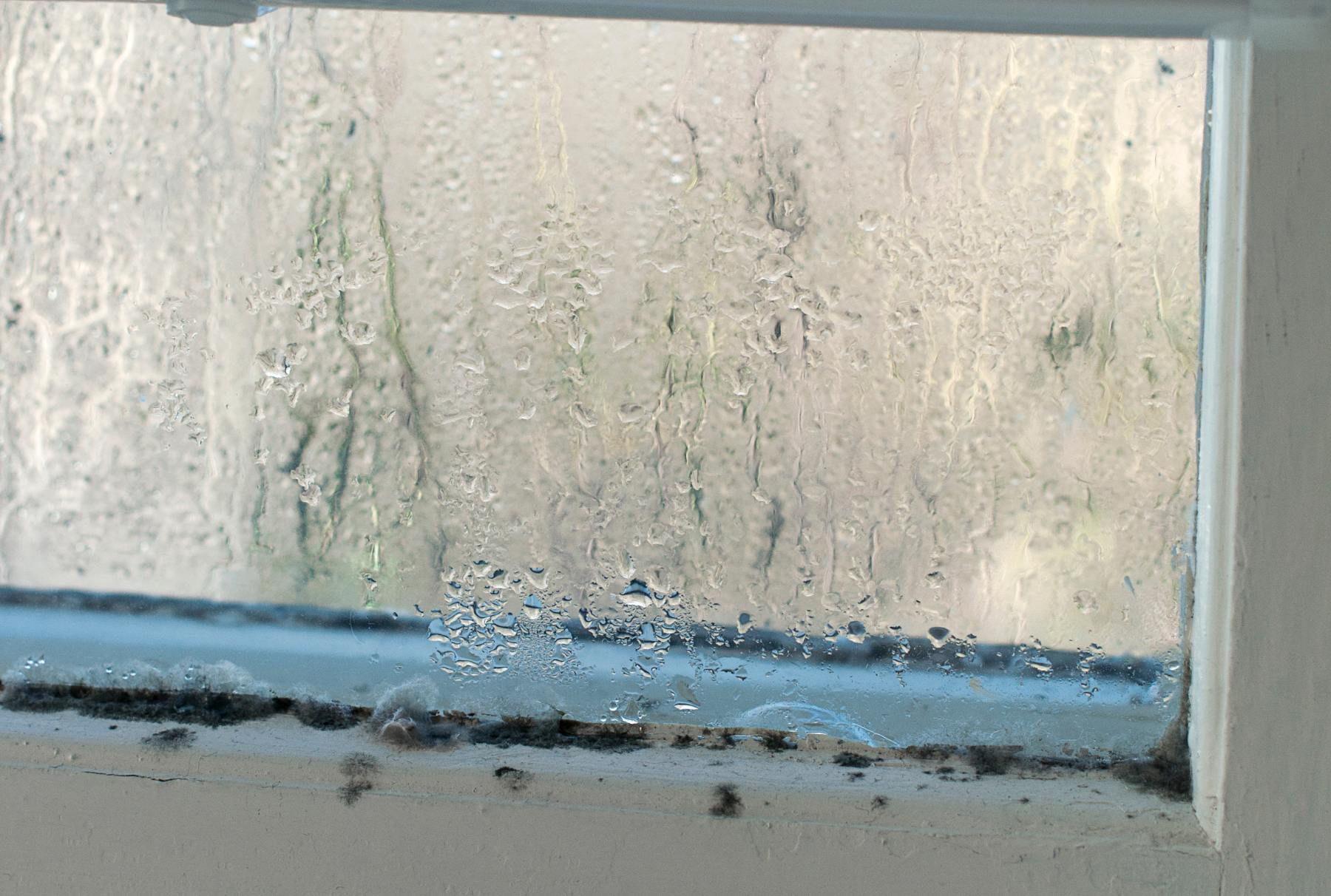
Every October the same thing happens in thousands of Irish homes. The heating goes on, the windows stay shut, and one morning the bedroom glass is running with water. By November there is a grey tide mark on the window reveal, and by January a black speckle in the corner behind the wardrobe. None of it is bad luck. Condensation follows a simple rule, and once you know the rule you can keep ahead of it with a short routine and, where the house needs it, the right ventilation. This is the checklist we give our customers when we leave a job in autumn.
Key takeaways
- Condensation forms when warm, moist indoor air meets a surface cold enough to turn it back into water. Winter brings both halves: more moisture indoors, colder surfaces.
- A family produces several litres of water vapour a day from showers, cooking, drying clothes and breathing. If it is not extracted at the source it ends up on the coldest surface in the house.
- Insulation warms the cold surfaces but does not remove the moisture. Ventilation removes the moisture. Houses with a condensation problem usually need the second before they spend on the first.
- When the routine is not enough, a ventilation system is the fix: single room heat recovery units for one or two problem rooms, whole house MVHR for the whole house, with 2026 installed MVHR prices from €5,500.
Why it starts in October
Two things change at once. Indoor moisture goes up, because showers are hotter and longer, windows are closed, and washing is dried indoors instead of on the line. And surfaces get colder, because the outside temperature drops and the glass, the external walls and the corners where two external walls meet lose heat fastest. Warm air holds more water than cold air. When the air in a bedroom cools against the window overnight it cannot hold what it carried, and the excess appears as droplets. The same happens, more slowly and less visibly, on the cold wall behind a bed or a wardrobe, which is where mould starts. Our earlier post on why so many Irish homes suffer condensation goes through the causes in detail; this one is about what to do.
The checklist, room by room
Bathroom. Run the extractor fan during every shower and for fifteen to twenty minutes after. If the fan is on the light switch, fit or ask for a timer overrun. Keep the door closed while the room clears so the steam does not travel to the landing and bedrooms. Test the fan with a sheet of toilet paper held to the grille: if it does not hold, the fan is not extracting and needs cleaning or replacing.
Kitchen. Lids on pots, the hood on while cooking and for ten minutes after. If your hood recirculates rather than extracting, open the window a crack while boiling or frying.
Drying clothes. The single biggest avoidable source of indoor moisture in winter. Dry outside when you can. Indoors, use one room with the door closed and the window open or the extractor running, or a vented or condensing tumble dryer. A rack over a radiator in the living room puts the whole load into the air of the house.
Bedrooms. Pull beds and wardrobes a few centimetres off external walls so air can move behind them. Open the window for ten minutes in the morning to dump the overnight moisture. Keep trickle vents and wall vents open, even when it is cold; a blocked vent saves very little heat and costs a lot of damp.
Heating. Low and steady beats short blasts. A house heated for an hour in the morning and three in the evening has cold walls for the other twenty hours, and cold walls are where the water goes. A background setting that keeps surfaces above the dew point does more for condensation than a hot burst.
Measure it. An inexpensive digital hygrometer tells you more than guessing. Indoor relative humidity between 40 and 60 percent is the usual comfort band; readings regularly above 65 to 70 percent in winter mean moisture is being produced faster than it leaves, and the checklist alone will not be enough.
Insulation or ventilation: which one fixes condensation?
This is the question we are asked most, usually by someone who has had a quote for external wall insulation. Insulation does one thing well: it warms the inside surface of the wall, so the dew point is reached less often. It does nothing about the moisture itself. If the house produces more water vapour than leaves it, the vapour finds the next coldest surface, often the window, the reveal or an uninsulated corner.
Ventilation does the other thing: it takes the moist air out at the source and replaces it with drier outside air, and with heat recovery it does so without throwing away the heat. External wall insulation is also a significant investment for most houses; SEAI offers grants that cover part of the cost, and the current amounts are listed on seai.ie. For a house whose problem is condensation and mould rather than heat loss, we would always control the humidity first, see what the hygrometer says, and then decide whether insulation is still needed. One of our Ballymount customers put it best after we finished: “Why didn’t I do this five years ago?” The answer was ventilation, not a spray, not a cleaning gel, and not a cladding job.
When the checklist is not enough
Some houses cannot be managed by habit. A bathroom with no window and a tired fan, a mid-terrace with no through draught, an airtight new build with no designed ventilation, or a bedroom whose external corner is permanently damp. The signs that you need a system rather than a routine:
- Mould comes back within weeks of cleaning it.
- Condensation appears in rooms where no steam is made, such as bedrooms and the hall.
- The hygrometer sits above 65 percent for most of the day with the windows closed.
- You have already cut the indoor moisture, dried clothes elsewhere and the glass is still wet every morning.
The options, in order of scale (our guide to the best home ventilation for Ireland’s climate compares them in detail):
- A better extractor fan in the bathroom or kitchen, on a timer or humidity sensor.
- Single room heat recovery units in the one or two rooms that suffer: a through-the-wall unit that extracts the damp air and supplies fresh air while keeping most of the heat. See our single room heat recovery unit page.
- Whole house ventilation, MEV or MVHR, when the whole house is damp. Our ventilation installation page covers both. Installed MVHR in 2026 costs €5,500 to €6,000 for a home up to 100 square metres, €6,000 to €7,000 for 100 to 200 square metres, €7,000 to €8,000 for 200 to 300 square metres and €8,000 to €9,500 above that.
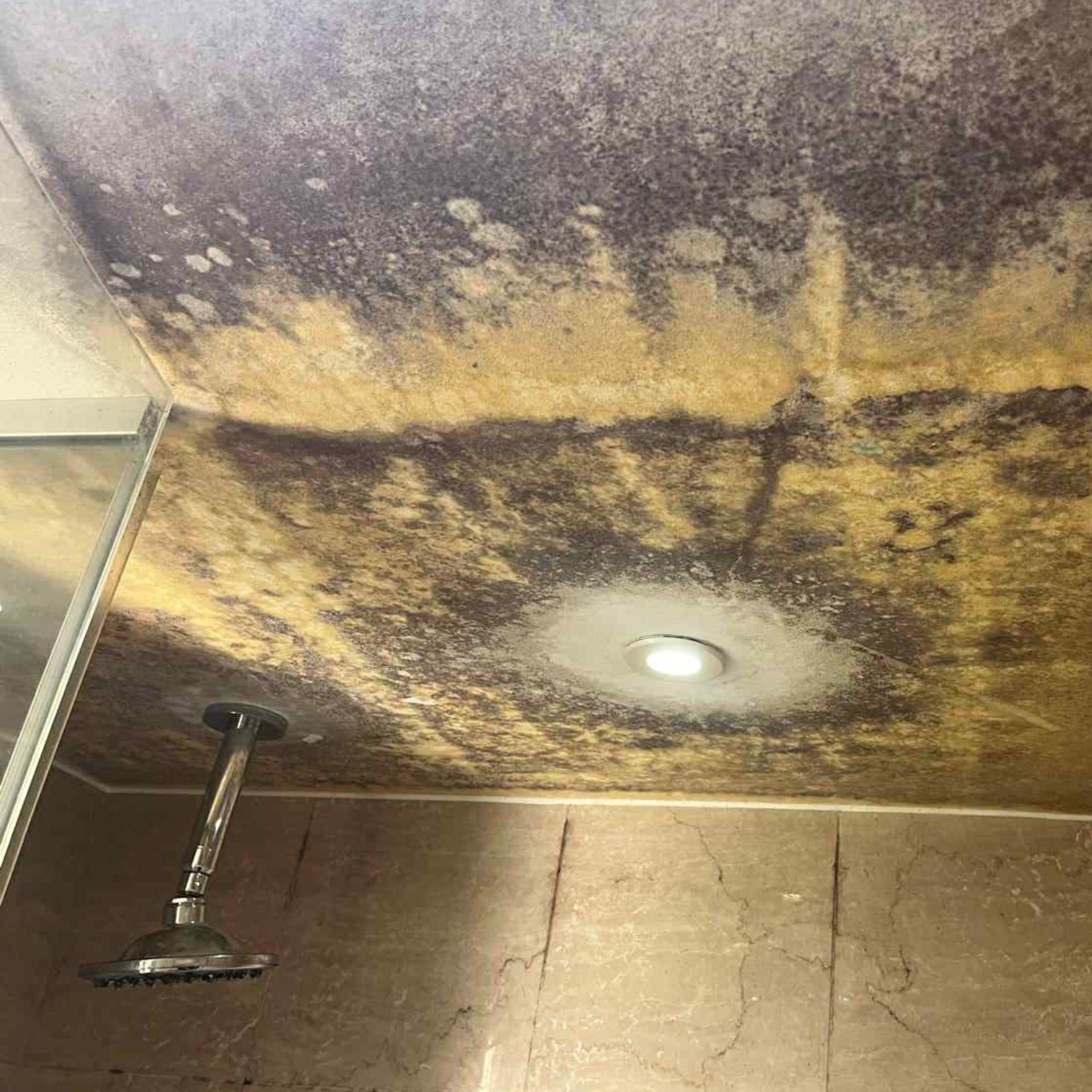
If mould has already taken hold on plaster, sealant or behind furniture, cleaning the surface is not the end of it. Our guide to the best ventilation for mould explains the link, and our mould removal service in Dublin treats the growth itself, from €350 depending on the size and scope of the job. Ventilation stops it coming back; removal deals with what is already there.
Frequently asked questions
Is condensation on the windows normal in winter?
A light mist that clears when the heating comes on is common in older houses. Water running down the glass every morning, or condensation on walls and in corners, means the house is holding more moisture than it can get rid of and will lead to mould if it continues.
Will a dehumidifier solve it?
It helps in one room and is useful while drying clothes. It does not change the air in the house, costs money to run all winter and has to be emptied. A fan or a heat recovery unit removes the moisture at the source without the bucket.
Should I keep the windows open all winter?
Ten minutes in the morning makes a real difference. Leaving them open all day throws away heat and, in a damp spell, lets moist air in. Controlled ventilation does the job without the heat loss.
Does external insulation stop condensation?
It warms the walls, which helps on the walls. It does not remove the moisture, so the condensation often moves to the windows or another cold surface. Control the humidity first and insulate for warmth, not as a damp cure.
How quickly does a ventilation system make a difference?
Most customers notice drier windows within the first few days and no overnight condensation within the first fortnight of the system running continuously. Existing mould still has to be removed.
Tell us which rooms are affected and send a photo of the worst window or wall with your Eircode through the form below, and we will email a free preliminary quote. We work across Dublin and the surrounding counties, including Meath. If it is urgent, call (01) 685 6363.