
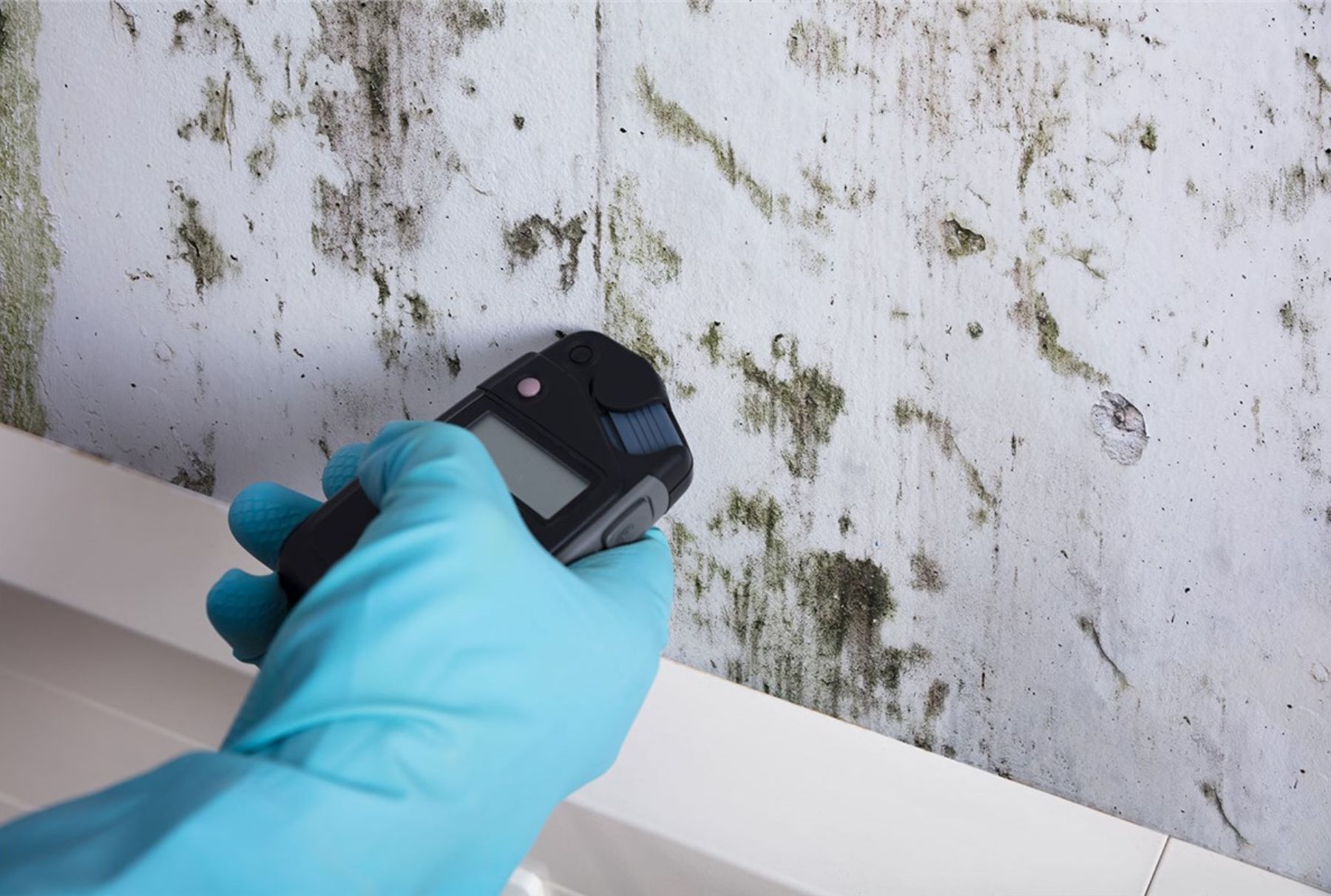
Both, in most cases, and that is why the argument never ends. In an Irish rental the landlord must provide a home that is free from damp and has working heating and ventilation, and the tenant must use that heating and ventilation and tell the landlord when something is wrong. Black mould in a bedroom corner can come from a leak in the roof (the landlord’s problem), from a broken extractor fan (the landlord’s problem), or from a bedroom that is never heated and never aired with a drying rack in it (mostly the tenant’s). The only way to settle it fairly is to find the moisture source, because the source decides whose job it is. This post explains what the rules say, what each side has to do, and how a mould survey takes the guesswork out of it. It is not legal advice; check your lease and the Residential Tenancies Board if you are in a dispute.
Key takeaways
- The Housing (Standards for Rented Houses) Regulations 2019 require a rented home to be in good structural repair and free from damp, to have a fixed heating appliance in every habitable room and bathroom that the tenant can control, and to have adequate ventilation, including ventilation in kitchens and bathrooms that removes water vapour.
- The tenant must use the home in a tenant like way: heat it, ventilate it, avoid damage beyond normal wear and tear, and tell the landlord about problems. Those obligations come from the Residential Tenancies Act.
- Mould is a symptom. Who pays depends on the cause: a leak, rising damp or a dead fan sits with the landlord; lifestyle condensation in a home that has working heating and ventilation sits largely with the tenant; many real cases are a mix.
- A mould survey records the moisture readings, the ventilation that exists, how it performs and the likely cause in writing. That report is what both sides, a local authority inspector or the RTB can work from.
- Whatever the cause, nobody should live with growing mould. Treat it, then fix the cause, then argue about the invoice.
What the landlord has to provide
The minimum standards regulations for private rented housing set the floor. In plain words, the home must be kept in good structural repair and free from damp, every habitable room, bathroom and shower room needs a permanently fixed heating appliance that the tenant can control, and every room needs adequate ventilation, with kitchens and bathrooms able to remove the water vapour that cooking and washing produce. Local authority environmental health officers inspect against these standards, and a tenant can ask the local authority to inspect. If a rental has an extractor fan that does not work, a bathroom with no extraction at all, trickle vents painted shut, a roof or plumbing leak, or damp coming through the wall, the landlord has a repair to make before any conversation about lifestyle starts.
What the tenant has to do
A tenant is expected to look after the home in a reasonable way and to report problems. Under the Residential Tenancies Act that includes not causing damage beyond normal wear and tear, telling the landlord when repairs are needed, and allowing access so they can be done. For damp that means heating the home, using the extractor fans and opening windows after showers and cooking, not drying clothes on radiators in closed rooms every day, keeping furniture a little off cold outside walls, and reporting the first black spots rather than the tenth. If the heating and ventilation work and are not used, the moisture that condenses on the cold walls is coming from the household, and a landlord can reasonably say so. If they do not work, the tenant cannot be blamed for not using them.
How to tell whose problem it is
The pattern of the mould usually gives the answer before any instrument does.
| What you see | Likely cause | Usually sits with |
|---|---|---|
| A patch below a window, a chimney breast or a roof junction, worse after rain | A leak or water getting in from outside | Landlord |
| A tide mark along the bottom of a ground floor wall | Rising or penetrating damp in the structure | Landlord |
| Black spots in the top corners of a bedroom, streaming windows in the morning | Condensation: warm damp air meeting cold surfaces | Shared: depends on whether heating and ventilation exist and are used |
| Mould around the bathroom ceiling and the fan | The extractor fan is weak, broken or vents nowhere | Landlord, if the fan is the problem; tenant, if it is switched off at the isolator |
| Behind a wardrobe on an outside wall, a cold back bedroom nobody heats | Cold surface and no air movement | Shared |
We see the shared cases most. A 1970s semi with single glazed windows replaced by sealed double glazing, no trickle vents added, an original bathroom fan that moves no air, and a family of four drying washing indoors: the house is the landlord’s responsibility to ventilate, the washing is the tenant’s to manage, and neither fixes it alone.
What a mould survey changes
A survey replaces opinions with readings. On a mould survey in Dublin we measure the moisture in the affected walls and the air, check whether the fans actually extract, look at the vents, the heating and the roof and plumbing around the problem, and write up the likely cause with photographs. Laurence Roche’s public Google review describes it from the customer’s side: “They surveyed my property and provided the solutions I needed.” The report is written so a landlord, a letting agent, a council inspector or the RTB can read it, and it tells both parties what has to change: a fan, a vent, a repair, or how the home is heated and aired. If there is a dispute about rent, deposit or repairs, the RTB’s dispute resolution service is the route, and a survey report is the kind of evidence it works from.
Treat first, then fix the cause
Mould should not be left to grow while the responsibility question is sorted. Small areas on a hard surface can be cleaned with a proper fungicidal product, gloves and an open window. Larger areas, mould on plasterboard or in several rooms, or mould that comes back within weeks need professional mould removal, which starts from €350 depending on size and scope and carries our one year remediation warranty when the full quoted scope is done and the ventilation we recommend is in place. Caroline Little’s parents’ job is a typical one: “They booked them in straight away and the job was done in a day.” We work across Dublin and Leinster, and the south county pages such as mould removal in Dún Laoghaire describe the housing we see most there.
For landlords: the cheapest fix is usually ventilation
If the same rental grows mould with every tenant, the house is the common factor. A humidity sensing bathroom fan that runs continuously, a kitchen extractor that vents outside, trickle vents that open, and in a cold back bedroom a single room heat recovery unit remove the condensation that no tenant’s habits can beat. Our bathroom extractor fan installation page lists the 2026 prices. Our condensation season checklist is written for occupants and is worth sending to a new tenant in October.
Frequently asked questions
Can my landlord blame me for mould?
Only for the part the household causes. If the home has working heating and ventilation and they are not used, condensation mould is largely a lifestyle issue. If the fans are broken, the vents are sealed or there is a leak, it is a repair the landlord must make first.
Do landlords have to clean black mould?
A landlord has to keep the home free from damp and in good repair, so mould caused by a defect in the building or its services is theirs to deal with. A survey report settles which it is.
Does a tenant have to clean mould even if it is from a leak?
A tenant should report the leak and the mould straight away. Repairing the leak and the damage it caused is the landlord’s responsibility; keeping the home aired and heated in the meantime is the tenant’s.
Landlord not replying about mould, what can I do?
Put the report in writing with photographs and dates, keep copies, ask your local authority’s environmental health section to inspect against the minimum standards, and if it is not resolved use the Residential Tenancies Board’s dispute resolution service.
How much does a mould survey cost?
We quote the survey when you send photographs and your Eircode, and mould removal starts from €350 depending on the size and scope of the job.
Send us a few photos with your Eircode and we will email a free preliminary quote within 24 hours, or call (01) 685 6363.