
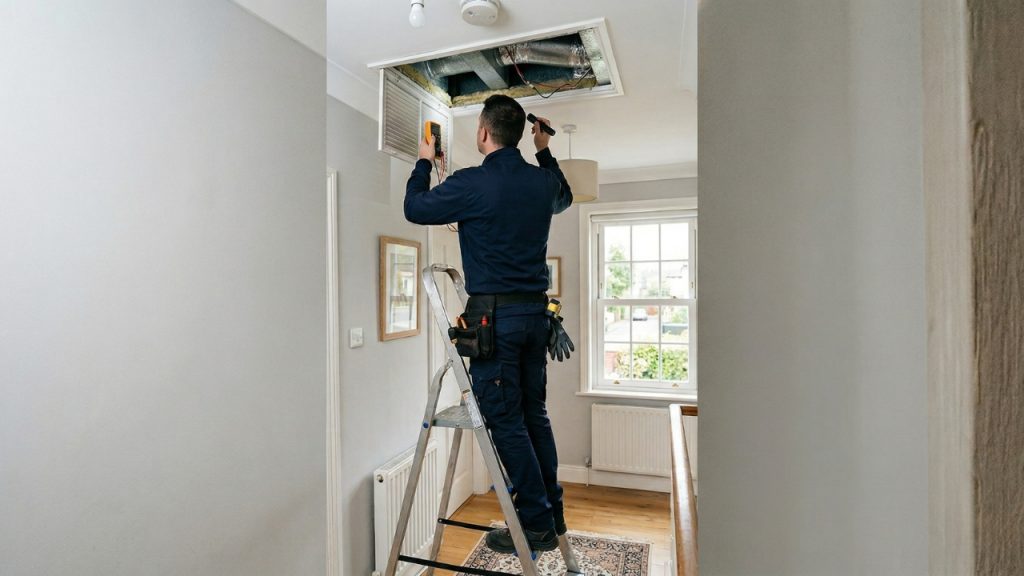
Ventilation only does its job when it’s looked after. In Irish homes, a system can be running every day while slowly losing airflow from blocked filters, dusty grilles, or a fan that’s working harder than it should. The result is usually the same: rooms feel stuffy, condensation creeps back, and mould becomes a “why is this happening again?” kind of problem.
Most ventilation systems benefit from a professional service every 1–3 years, with filters checked and cleaned or replaced every 3–6 months. In many homes, a 2–3 year service interval is typical, while commercial or high-use setups (especially kitchens) often need attention more frequently, sometimes every 3–12 months. The right schedule depends on factors like local air quality, whether you’ve pets, and how heavily the system is used.
Why Does Servicing Frequency Matter In Ireland?
Irish weather is often mild and damp, which means moisture management is doing a lot of heavy lifting in the background. If ventilation slips, you’ll notice it fast in the usual spots: bathroom ceilings, behind wardrobes, on bedroom window reveals, and in corners that never fully warm up.
There’s also the compliance angle for commercial spaces. If a workplace relies on mechanical ventilation, maintenance and regular cleaning sit within normal plant upkeep expectations, and that’s not something you want to leave to chance when staff are in the building every day.
How Often Should MVHR Systems Be Serviced?
If you’ve an MVHR (heat recovery) unit, think in layers: small routine tasks, then planned servicing.
A sensible schedule for many Irish homes looks like this:
- Every 6–12 months: filters checked and cleaned or replaced, depending on what the unit uses and what’s coming in from outside.
- Every 12–24 months: technician service (some makers lean towards every 12 months).
- Every 4–5 years: deeper service and airflow re-check/re-balance.
- Around 10 years: duct cleaning becomes worth discussing, sooner if dust build-up shows up.
If you want a handy companion piece, VentSolve’s guide on MVHR maintenance requirements explains what “maintenance” actually involves beyond swapping a filter, and it’s the kind of checklist homeowners like to keep bookmarked for reference.
What Usually Gets Done During A MVHR Service?
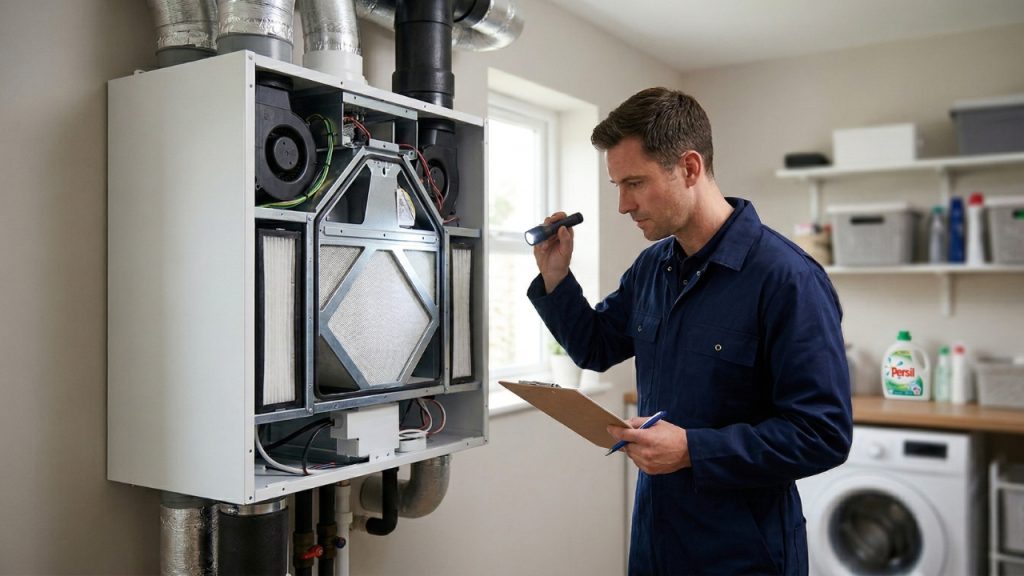
A proper MVHR service isn’t just wiping the front panel. A technician will typically inspect key parts, confirm the unit is operating as it should, and check that airflow still matches what the house needs day to day.
That means you’re less likely to end up with “it’s running, but it’s not working” (the most common situation when moisture problems creep back in quietly).
When Should You Service MVHR More Often?
Move the schedule forward if any of these are true:
- pets in the house (hair and dander load filters)
- a renovation with dust, sanding, or plastering
- lots of cooking, especially frying
- a busy home with higher occupancy
- you’re near the coast and the outside air is salty
If you’re trying to decide whether you’re seeing normal build-up or an actual fault, this post on signs your MVHR needs maintenance lays out the usual warning signals in plain language, and it’s a quick way to sense-check what you’re noticing at home.
How Often Should MEV Systems Be Serviced?
MEV systems (continuous extract with a central unit) are common in newer or upgraded homes. They run steadily, so light build-up over time is expected.
A practical rule: plan a six-monthly clean/inspection, including the filter, and keep an eye on noise and airflow in wet rooms. If the unit is in a dusty attic space, you may find that interval suits you better than an annual once-over.
How Often Should Extractor Fans Be Cleaned Or Checked?
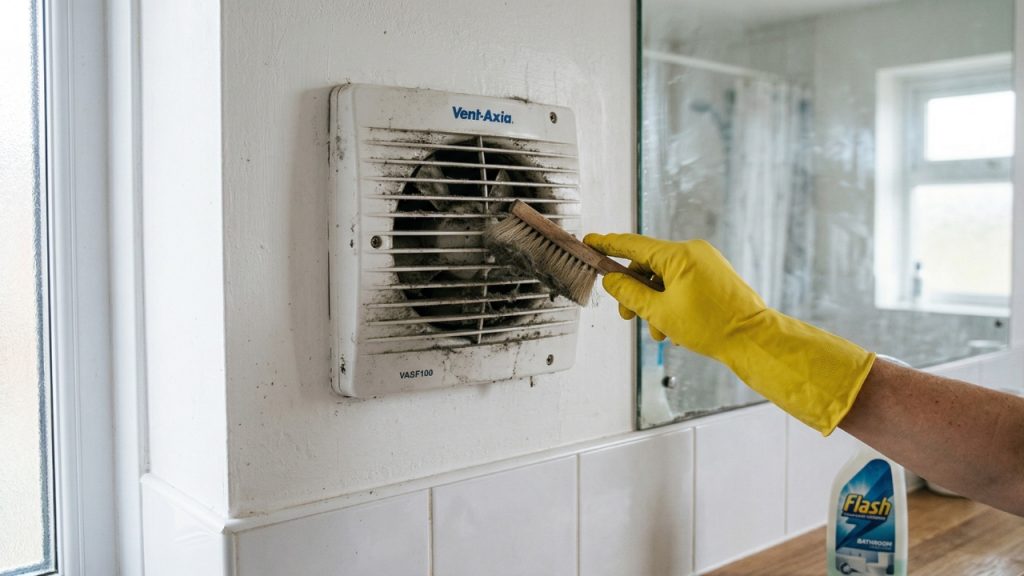
Bathroom and kitchen fans get ignored because they’re small and quiet. Then one day you realise the mirror stays steamed for ages, or the room smells damp even after a long run.
For most homes:
- Once a year: clean the cover/grille and fan area (power off at the isolator), clear dust, and check the outside grille isn’t clogged.
- Every few months: quick visual check for dust build-up, plus a listen for rattling or bearing noise.
A lot of people use the terms interchangeably, but the difference between a ventilation fan vs exhaust fan can affect what maintenance you actually need to do at home, especially if you’re troubleshooting poor airflow in one room.
What Changes The “Right” Servicing Interval?
Servicing isn’t one-size-fits-all. A quiet two-person home in a relatively clean area won’t load filters the same way as a busy household with pets and lots of showers.
Here are the big factors:
- Occupancy: more people means more moisture load and more particulates.
- Lifestyle: heavy cooking, candles, open fires, frequent tumble drying indoors.
- Building fabric: newer airtight homes rely more on mechanical ventilation.
- Location: near traffic or coast, outside air can be harsher on filters.
- Rental turnover: new occupants often change routines fast, and it shows up in moisture patterns.
What Are The Signs Your Ventilation Needs Attention Now?

Don’t wait for the next scheduled service if you see these:
- condensation returning on windows after showers or cooking
- musty smell that lingers
- mould spots reappearing in the same corners
- vents feel weak, or rooms feel stale
- new noise from a fan or the MVHR unit
- filters that look heavily loaded well before your usual change date
If mould is part of what you’re dealing with, this guide on the best ventilation for mould is worth a read because it links symptoms back to ventilation types, and it helps you think about root cause rather than chasing patches around the house.
Can You Do Any Of This Yourself?
Some tasks suit a confident homeowner:
- cleaning visible grilles and valve covers
- light vacuuming of dust around the unit area
- checking outside grilles for blockages
- swapping filters if the unit is designed for user access
Other tasks are better left to someone trained and equipped:
- airflow measurement and balancing
- diagnosing fan/motor issues
- checking ducting condition and hidden leakage
- deeper internal cleaning where parts need to be removed
If you’ve had repeated condensation or mould even after cleaning, that’s usually the moment to stop guessing and get the system checked properly.
Regulations And Good Practice
If you’re upgrading or fitting ventilation as part of a renovation, it’s worth being aware of Ireland’s ventilation guidance under Technical Guidance Document F (Ventilation). It won’t hand you a “service every X months” rule for every product, but it gives the backdrop for why ventilation performance and correct commissioning matter when homes become more airtight.
Get A Free Quote
If you’re not sure what system you’ve got, or you’d rather have the servicing handled properly, VentSolve can assess what’s installed and set a maintenance plan that suits the property and how it’s actually lived in. Get a Free Quote and you’ll know where you stand, instead of waiting for damp to show up again.
FAQs
1) How often should MVHR filters be changed in an Irish home?
Most homes should check filters at least twice a year and replace or clean them on a 6–12 month cycle, depending on filter type and local conditions like traffic, dust, pets, or renovations.
2) Is an annual MVHR service really needed?
If the unit is under warranty or the house is airtight and relies on MVHR daily, an annual visit is a sensible baseline. Some homes stretch to every two years, though that usually assumes filters are kept on top of and there are no moisture issues.
3) How often should an MEV unit be cleaned?
A six-monthly clean/inspection is a good working schedule for many homes, since the unit runs continuously and filters can load faster than you expect.
4) What’s the minimum maintenance for a bathroom extractor fan?
At least once a year: clean the grille, clear dust build-up, and check the outside grille or duct isn’t blocked. If it’s a busy bathroom, do a quick check every few months.
5) If mould keeps coming back, does that mean the ventilation is broken?
Not always, but it often means the ventilation isn’t keeping up with the moisture load (or airflow isn’t reaching the problem area). A check of airflow, controls, and system set-up is usually the next step rather than more surface cleaning.