

Choosing the right ventilation system is essential for creating a comfortable and healthy indoor environment. Many homeowners and businesses struggle to decide between different fan systems without fully understanding how each one works.
The difference between a ventilation fan and an exhaust fan often comes down to how air is moved, where it is removed, and the size of the area being treated. While both options improve air quality, they serve very different purposes. Knowing how each fan type functions helps prevent moisture build-up, odours, and long-term ventilation issues.
This blog will help you learn about key differences between both fans and how to choose the right fan for your property.
Let’s start!
What an Exhaust Fan Does and Why Does It Matter?
An exhaust fan is designed to remove stale, humid, or odorous air from enclosed spaces and replace it with fresh air from the outside. It is commonly used in areas where moisture, heat, or odours build up quickly, such as bathrooms, kitchens, and utility rooms.
By pulling stale air out of a room, the fan helps control humidity levels and reduce lingering smells. This process supports better airflow and makes indoor spaces more comfortable.
Regular use of an exhaust fan can also help limit condensation on walls and ceilings. Over time, this improves overall air quality and creates a healthier indoor environment for everyday living.
What Is The Role of a Ventilation Fan in Indoor Spaces?
A ventilation fan is designed to improve airflow by drawing fresh air from outside and pushing stale indoor air out, helping maintain comfortable air quality. Unlike extract fans that work in one room, ventilation fans help circulate air across larger areas. They are often installed in ceilings, lofts, or roof spaces where natural airflow is limited.
By encouraging steady air movement, these fans help regulate indoor temperature and reduce trapped heat. They are particularly useful in enclosed or poorly ventilated properties. Ongoing airflow also helps manage humidity levels and supports better indoor air quality. This makes ventilation fans a practical solution for maintaining a more comfortable and balanced indoor environment.
What Are The Key Differences Between Ventilation Fans and Exhaust Fans?
Understanding the differences between these systems will help you choose the right fan based on your airflow and ventilation requirements.
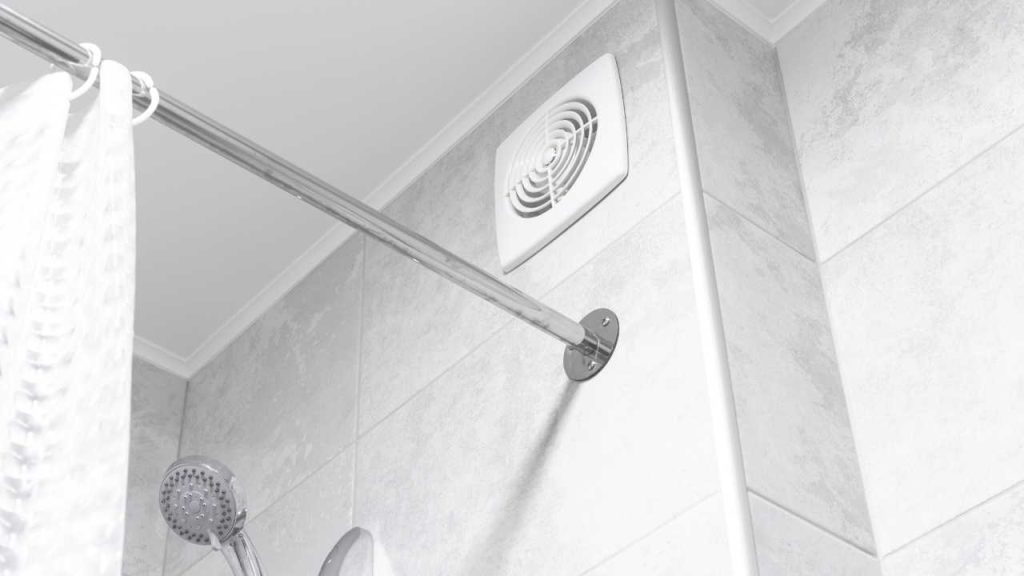
Below is a clear breakdown of the difference between a ventilation fan and an exhaust fan, based on how they function and where they are used.
Purpose and Use
An exhaust fan is designed to pull stale air, moisture, and odours out of a single room such as a bathroom or kitchen. It works locally and focuses on removing unwanted air from one specific area.
A ventilation fan, on the other hand, supports overall airflow by moving fresh air through larger zones or an entire building. It helps balance indoor air quality rather than targeting one room.
Installation Location
Exhaust fans are usually fitted directly into walls or ceilings of rooms that produce steam or smells. Their placement is focused and practical for short air paths.
Ventilation fans are often installed in lofts, ducts, or roof spaces to distribute air evenly. This allows them to serve multiple rooms or wider areas.
Airflow Direction
An exhaust fan moves air in a single direction, pushing indoor air outside to reduce humidity and pollutants. This creates targeted air extraction.
A ventilation fan supports continuous air exchange by drawing in fresh outdoor air while pushing stale air out. This improves circulation throughout the property.
Temperature and Moisture Control
Exhaust fans mainly help reduce moisture and condensation in damp-prone rooms. Their impact on temperature is limited to the space they serve.
Ventilation fans assist with regulating indoor temperatures by introducing cooler outdoor air and managing humidity levels across the building.
How to Choose the Right Fan for Your Space?
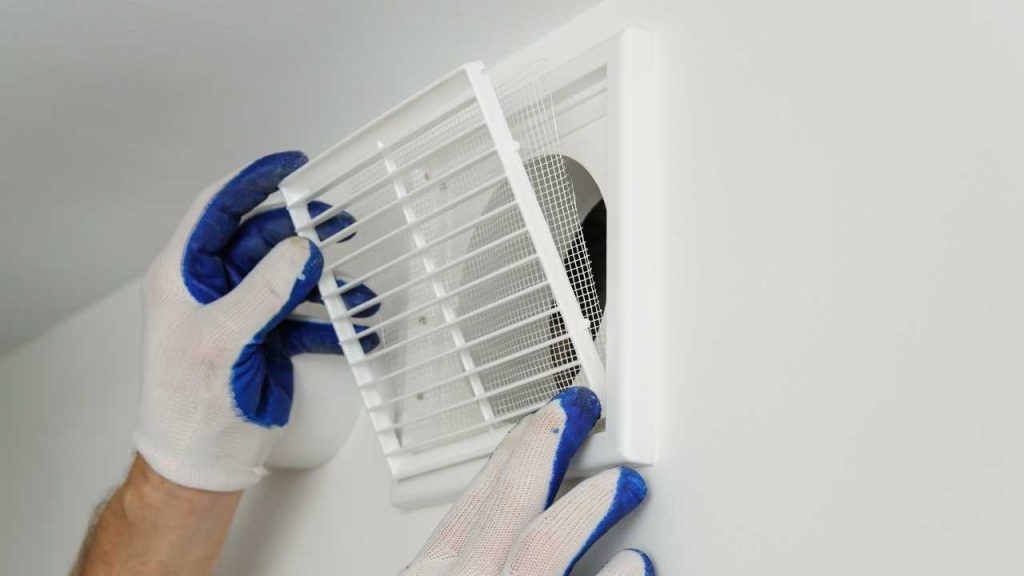
The best fan choice depends on what you want to achieve and where airflow is needed.
Looking at function, location, airflow needs, and efficiency will help you decide between an exhaust fan and a ventilation fan.
Purpose of Use
An exhaust fan is suitable when the goal is to remove moisture, odours, or smoke from a single room such as a bathroom or kitchen.
A ventilation fan is better when you want consistent air movement and temperature balance across larger living areas or the whole property.
Installation Area
An exhaust fan works well when installed directly in the wall or ceiling of a specific room that needs targeted air removal.
A ventilation fan is usually placed in lofts, ducts, or central locations to support wider airflow throughout the home.
Room Size and Airflow Needs
An exhaust fan is designed for smaller spaces and focuses on extracting stale air efficiently from one area.
A ventilation fan handles larger volumes of air, making it more suitable for whole-house circulation and broader coverage.
Budget and Energy Considerations
An exhaust fan is generally more affordable and uses less power for short, focused operation.
A ventilation fan may cost more initially but can offer better long-term efficiency for managing airflow across larger spaces.
Conclusion
Choosing the right fan depends on understanding how each type supports airflow, moisture control, and overall comfort in your space. Exhaust fans are ideal for targeted areas like bathrooms and kitchens, while ventilation fans are designed for broader air circulation across a property. Making the correct choice can improve indoor air quality, reduce damp issues, and support energy efficiency in the long term.
If you are unsure which system best fits your home or business, professional advice makes all the difference. Contact VentSolve today for expert guidance, installation support, and reliable solutions customised to your ventilation needs.
FAQs
1. What is the difference between a ventilation fan and exhaust fan?
An exhaust fan removes stale air from a specific room, like a bathroom or kitchen. A ventilation fan circulates fresh air throughout a larger area or the entire building.
2. Is an exhaust fan enough for moisture control?
An exhaust fan works well for local moisture, especially in bathrooms. For persistent damp or whole-house airflow issues, a ventilation fan is usually more effective.
3. Where should an exhaust fan be installed?
Exhaust fans are typically installed in rooms with high humidity or odours, such as bathrooms, kitchens, or utility spaces, where targeted air removal is needed.
4. Do ventilation fans improve indoor air quality?
Yes, ventilation fans help replace stale indoor air with fresh outdoor air. This improves overall air quality and helps regulate temperature and humidity.
5. Can VentSolve help me choose the right fan for my property?
Yes. VentSolve assesses your property layout, moisture levels, and airflow needs to recommend the most suitable ventilation or exhaust solution.
6. Does VentSolve install both ventilation and exhaust fans?
At VentSolve, we provide professional installation for both systems. Our team ensures correct placement, airflow performance, and compliance with building standards.