
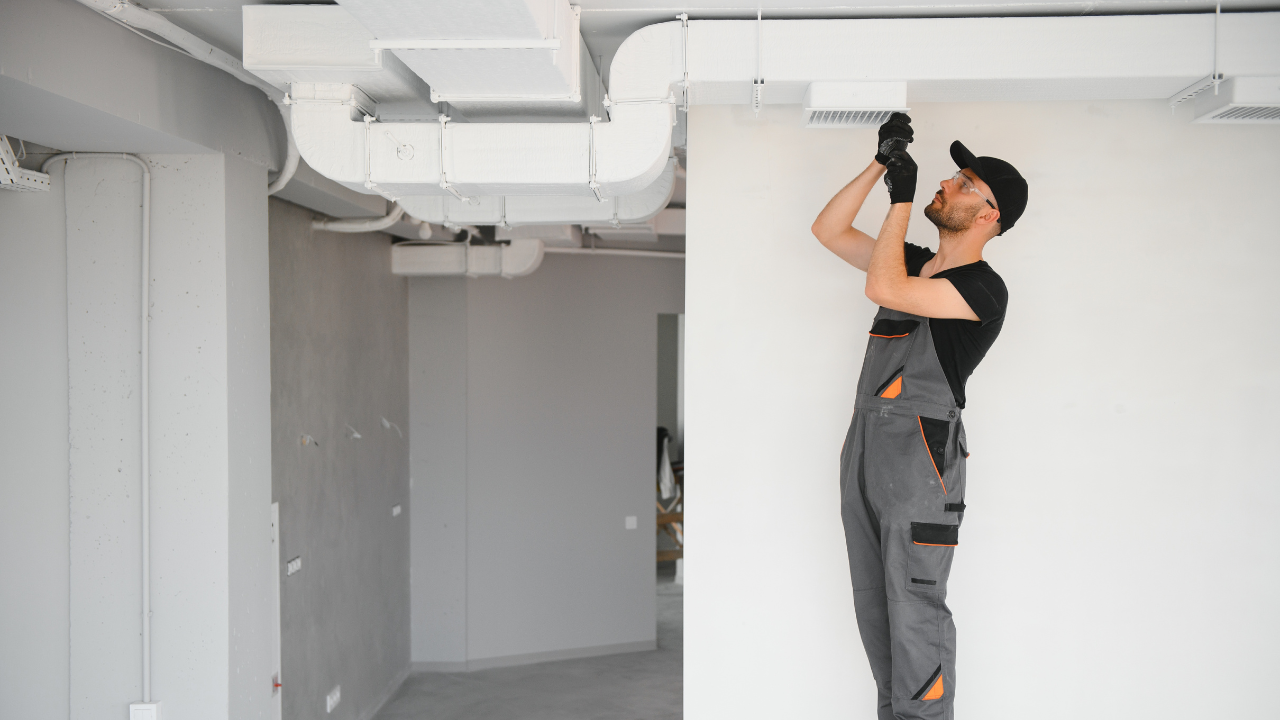
Good indoor air quality is important for comfort, wellbeing, and a healthy home. As houses and commercial buildings across the UK become more airtight, fresh air cannot move in and out as naturally as before. A heat recovery ventilation system, often called an HRV, helps solve this problem by bringing clean air into the building and removing stale air without wasting heat.
Below in the content, we will discover how a heat recovery ventilation system improves indoor air quality. Additionally, how these systems work and how they improve the air you breathe indoors.
What Is a Heat Recovery Ventilation System?
A heat recovery ventilation system is a mechanical unit that removes stale indoor air and replaces it with fresh, filtered outdoor air. At the same time, it recovers most of the warmth from the outgoing air and transfers it to the incoming air. This helps maintain comfortable temperatures while keeping energy use low.
Most HRV systems use two separate airflows. One extracts used air from kitchens, bathrooms, and living spaces. The other brings in fresh outdoor air. A heat exchanger transfers warmth from the outgoing air to the incoming air before it is supplied around the home. Because the system runs continuously, it keeps ventilation steady and balanced throughout the property.
How a Heat Recovery Ventilation System Improves Indoor Air Quality?
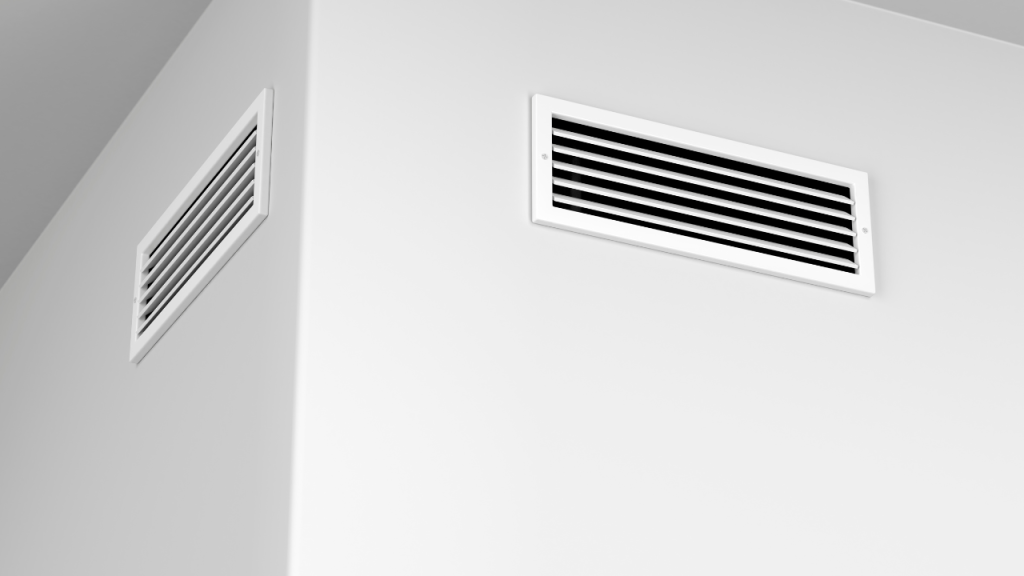
A heat recovery ventilation system plays a direct role in improving the quality of indoor air. It does more than simply move air around. It replaces stale air, reduces moisture, filters particles, and lowers the build up of carbon dioxide.
This steady exchange prevents the indoor environment from becoming stuffy or humid. It also reduces the amount of dust, pollen, and irritants in the air, which can be especially helpful for people with allergies or breathing sensitivities.
How Does a Heat Recovery Ventilation System Work?
The process behind an HRV is simple. Stale air is drawn out of the home through a network of ducts. At the same time, fresh outdoor air enters the system and passes through filters. Inside the heat exchanger, warmth from the outgoing air is transferred to the cooler incoming air. Once warmed, this filtered air is supplied to bedrooms, living areas, and other occupied rooms.
This cycle runs throughout the day, keeping airflow steady and maintaining a comfortable indoor temperature. The result is clean, fresh air without the heat loss that usually occurs when windows are opened for ventilation.
Why Indoor Air Quality Is So Important
People in the UK spend most of their time indoors. Without proper ventilation, the air inside can quickly become polluted. Everyday activities release moisture, smells, and particles into the air. Cooking, showering, cleaning, and even breathing add to the problem.
Poor indoor air can lead to several issues:
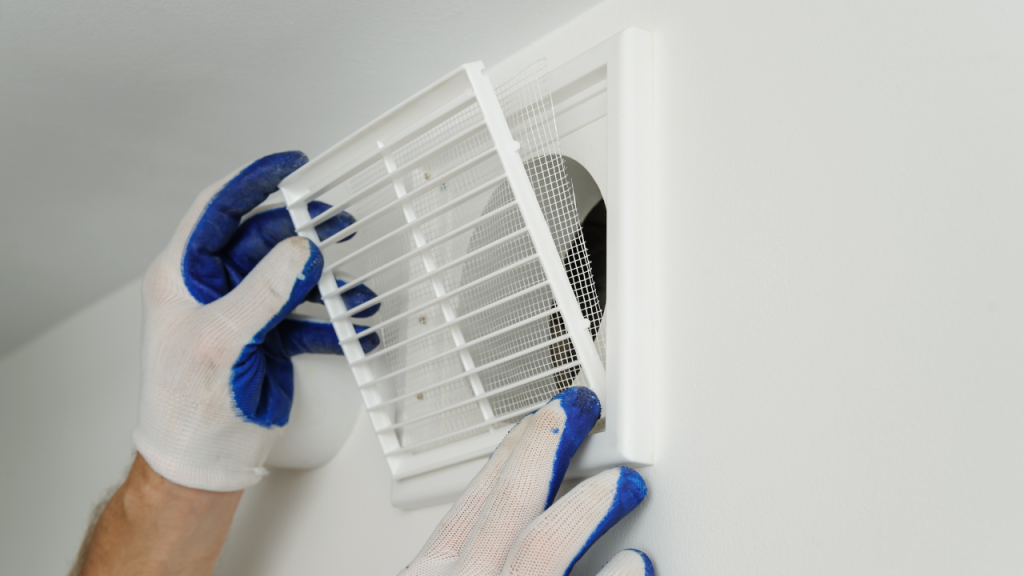
- Higher moisture levels that encourage mould
- A buildup of dust and pollen
- Condensation forming on windows and cold surfaces
- Lingering smells that do not clear
- Feelings of tiredness, headaches, and breathing discomfort
How HRV Systems Improve Indoor Air Quality
HRV systems provide several benefits that support a healthier indoor environment. They remove stale air, lower moisture levels, filter out airborne irritants, and keep carbon dioxide levels down. They also help reduce smells from bathrooms, kitchens, and other busy areas.
These benefits work together to create a more comfortable living or working space, especially in well-sealed properties where natural airflow is limited.
Energy Savings and Cost Advantages
Bringing cold air into the home usually means your heating system has to work harder. An HRV helps avoid this by recovering most of the heat from the outgoing air. Many systems can recover up to 90 per cent of this warmth.
Because of this, the building stays warm without using extra energy. This can help lower heating costs, reduce carbon emissions, and support energy-efficient living. Many modern HRV systems include smart controls that adjust airflow based on humidity or occupancy levels.
HRV vs Standard Ventilation
Heat recovery ventilation systems remove stale air while retaining warmth, helping you stay comfortable and energy-efficient. They also bring in fresh, filtered outdoor air, reducing pollutants and allergens without causing cold air movement.
It provides controlled ventilation, filters incoming air, and keeps indoor temperatures steady. It also manages humidity in a way that traditional fans cannot.
Where a Heat Recovery System Can Be Installed
The location of an HRV system plays an important role in its performance. Most residential systems are installed in loft spaces or utility areas. In commercial buildings, the unit is often placed in ceiling voids or service risers.
Fresh air is usually supplied to bedrooms and living rooms, while stale air is extracted from kitchens, bathrooms, and utility areas. Filters and components should remain accessible so they can be cleaned or replaced when needed.
Simple Maintenance Tips to Keep Your HRV Working Well
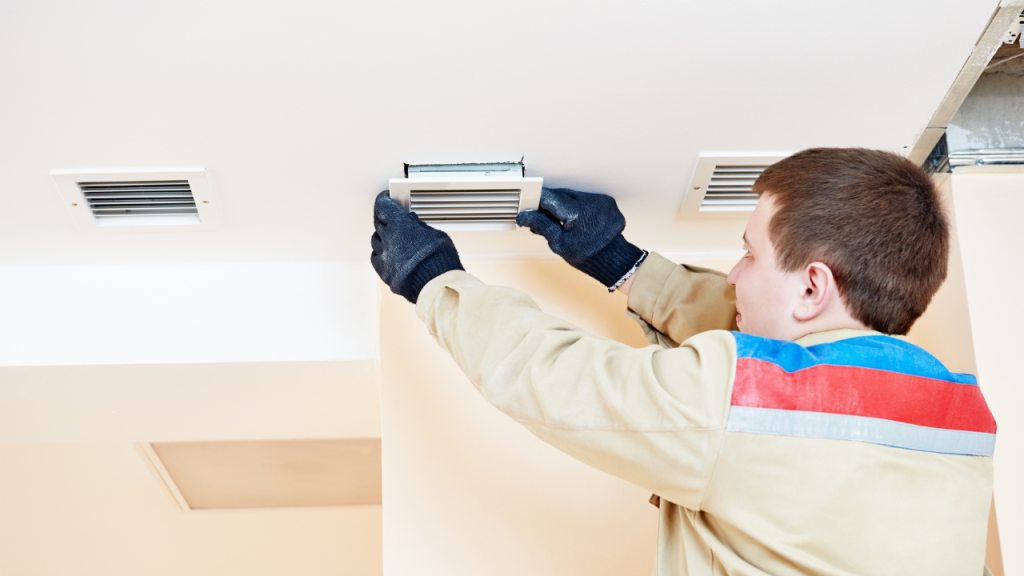
A heat recovery ventilation system needs basic maintenance to keep running effectively. This includes looking after the filters, checking for blockages, and ensuring ducts are sealed properly.
Key tasks include:
- Cleaning or replacing filters every 6 to 12 months
- Checking that outdoor vents are clear
- Keeping the condensate drain clean
- Making sure ductwork has no leaks
- Booking a yearly service with a qualified technician
How to Choose the Right HRV System
Choosing the right system depends on the size of the building, the layout, and the level of ventilation needed. The efficiency of the heat exchanger, the noise level of the unit, and the available control features also matter.
Some systems offer smart sensors or app controls that adjust the airflow automatically. Professional installation is important to make sure the unit is balanced correctly and works safely.
Why Investing in Heat Recovery Ventilation Makes Sense
A heat recovery ventilation system is a long-term investment that improves air quality, reduces heating costs, and protects the building from damp. It creates a healthier indoor space, helps prevent mould, and keeps the indoor environment comfortable throughout the year.
For people with allergies or asthma, the cleaner air can make a noticeable difference. With fresh air supplied continuously, there is no need to rely on opening windows, especially during cold weather or high traffic periods.
Conclusion
Improving indoor air quality is essential for a healthier and more comfortable space. A heat recovery ventilation system removes stale air, reduces humidity, and brings in fresh, filtered air without increasing your heating costs. It’s a smart choice for modern, airtight homes and commercial buildings.
Need help choosing the right system? Call Ventsolve today for expert advice, professional installation, or system upgrades. Whether it’s your home or workplace, we’re here to help you breathe cleaner, healthier air every day.
FAQ’s
1. Does a heat recovery ventilation system improve air quality?
Yes, it replaces stale indoor air with fresh, filtered outdoor air. It also reduces humidity, allergens, and pollutants, making the indoor environment healthier.
2. Is a heat recovery system good for people with allergies or asthma?
Absolutely. HRV systems include filters that trap dust, pollen, and airborne irritants, which helps reduce symptoms for allergy and asthma sufferers.
3. Can a heat recovery system reduce mould and damp?
Yes, by controlling humidity levels and improving airflow, HRV systems help prevent condensation and moisture buildup that can lead to mould and damp.
4. Do I still need to open windows with a heat recovery ventilation system?
Not usually. HRV systems provide a constant supply of fresh air, so there’s often no need to open windows, even during winter or poor outdoor air conditions.
5. Where in the house is a heat recovery system installed?
The main unit is typically installed in a loft, utility room, or ceiling void. Ducts supply fresh air to living areas and remove stale air from wet rooms like kitchens and bathrooms.
6. How much maintenance does a heat recovery system need?
Minimal maintenance is required. Filters should be cleaned or replaced every 6 to 12 months, and the system should be checked anthat are built to be airtight but may lack adequate natural ventilation.