
Many homeowners in Ireland insulate to stop cold air from coming in and reduce heating costs, but then notice condensation on windows or a lingering musty smell. When insulation and air sealing reduce natural airflow, moisture from showers, cooking, drying clothes, and even breathing can stay trapped indoors for longer than before.
It can feel risky to upgrade when you have heard stories of mould appearing after retrofit work. People want the comfort and savings insulation brings, but a common question is should you upgrade ventilation when insulating your home? because nobody wants a warmer home that ends up with damp and mould issues.
Ventilation helps an insulated home stay dry, healthy, and comfortable. With the right setup, such as better extraction in bathrooms and kitchens, plus a steady supply of fresh air, humidity becomes easier to control. In this blog, we will explain when ventilation upgrades are needed, which options suit Irish homes, and the mistakes to avoid.
Why Can Insulating Your Home Make Moisture And Mould Worse?
Insulation often makes a home warmer and more comfortable, but it can also change how moisture behaves indoors. Many Irish homes used to “breathe” through small gaps around floors, chimneys, and older windows, letting humid air escape naturally.
When you insulate and improve air sealing, that uncontrolled airflow is reduced, so moisture from showers, cooking, and drying clothes can build up faster. If humid air cannot leave, it settles on colder surfaces like windows, outside corners, or areas with thermal bridging, creating condensation.
Over time, repeated condensation can lead to damp patches and mould growth, especially behind furniture or in poorly ventilated rooms. The issue is not insulation itself, but insulating without a plan to manage humidity and replace stale air with fresh air.
Should You Upgrade Ventilation When Insulating Your Home?
In most Irish homes, upgrading ventilation is a smart step because insulation and air sealing reduce the natural airflow that used to remove moisture.
Airflow changes after insulation
Insulation and air sealing reduce uncontrolled air leakage, which is great for comfort but can trap humid air inside. Moisture from showers, cooking, and breathing then builds up faster, especially in winter when windows stay closed. Without enough fresh air exchange, humidity rises and finds colder surfaces to settle on as condensation. That is how mould conditions can start.
Moisture load from daily living
A typical household produces a lot of water vapour every day. Steamy showers, boiling pots, kettles, and drying laundry indoors all add moisture to the air. In a leakier home, some of that vapour escapes through gaps, but an upgraded home holds onto it. Ventilation upgrades give moisture a controlled exit, keeping indoor air healthier.
Extraction in wet rooms
For many homes, the first improvement is better extraction in bathrooms and kitchens. A correctly sized fan, ducted to the outside, removes steam before it spreads. Timers or humidity sensors help ensure the fan runs long enough after showers and cooking. Good extraction reduces fogged mirrors, lingering odours, and damp patches, while supporting the insulation improvements you have paid for.
Whole home ventilation options
If your retrofit includes new airtight windows, extensive sealing, or wall insulation, whole-home ventilation may be more suitable. Continuous extract systems provide steady background air change, while heat recovery systems can bring in fresh air with less heat loss in more airtight homes. The best choice depends on layout, airtightness level, and budget, not just the latest trend.
Matching the upgrade to your home
The right solution starts with understanding your home’s patterns. Where does condensation form, do bedrooms feel stuffy overnight, and do damp corners appear behind furniture. Fan performance, duct routes, and background vents all matter. We can assess these factors and recommend practical upgrades, especially if mould or recurring condensation is already present in the property.
What are the Signs Your Home Needs a Ventilation Upgrade After Insulation?
These warning signs usually appear within the first weeks or months after insulating, especially during colder weather when windows stay closed.
Persistent window condensation
If you regularly wake up to wet windows or water pooling on sills, indoor humidity is likely staying too high overnight. This often happens in bedrooms with closed doors and limited airflow. Occasional condensation can be normal, but daily moisture suggests ventilation is not keeping up with the new airtightness of the home.
Musty smells and stale air
A damp, musty odour that returns even after cleaning is a common sign of trapped moisture and poor air exchange. You may also notice rooms feeling stuffy or “heavy”, particularly in the mornings. If smells linger from cooking, bathrooms, or laundry, it usually means humid air is not being removed effectively.
Slow clearing after showers
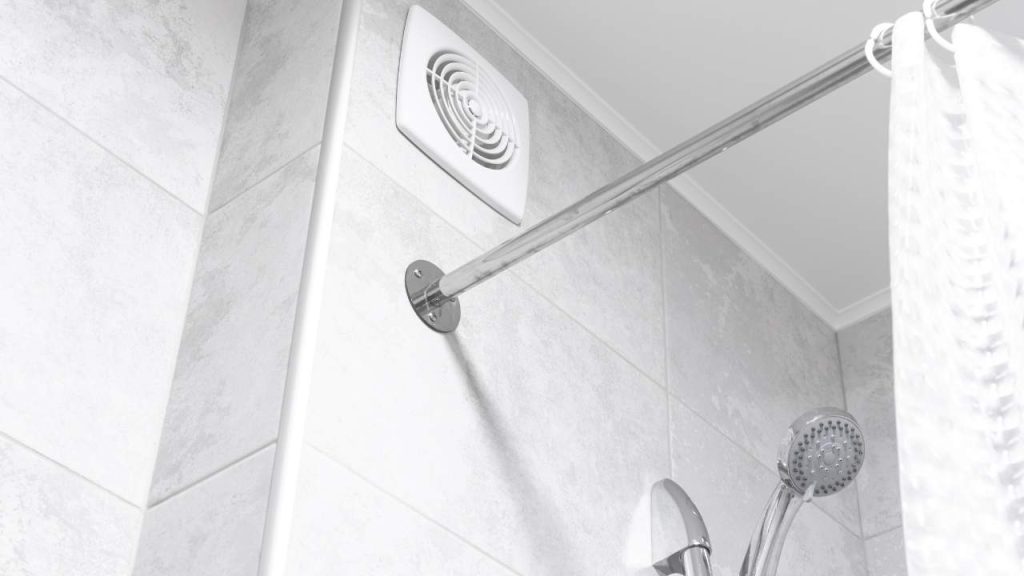
If mirrors stay fogged for a long time or the bathroom remains steamy well after a shower, your extraction is likely underperforming. This may be due to a weak fan, poor ducting, or no timer or humidity control. After insulation, bathrooms often need stronger, more consistent extraction to prevent moisture from spreading.
Mould in corners and behind furniture
New black spotting in corners, on ceilings, around window reveals, or behind wardrobes often points to condensation on cold patches. Insulation can reduce cold surfaces, but thermal bridges and blocked airflow still create cool zones. When humidity stays high, these areas become mould hotspots quickly, even in newly upgraded homes.
Damp patches or peeling finishes
Peeling paint, bubbling plaster, or damp staining on external walls can indicate repeated condensation or hidden moisture build up. It is often worse in rooms with poor ventilation, like spare bedrooms or utility spaces. If finishes are deteriorating despite heating improvements, ventilation usually needs upgrading to stabilise humidity levels.
Conclusion
Insulating your home can improve comfort and reduce heat loss, but it also changes how moisture behaves indoors. When natural airflow drops, humidity from daily living can build up, leading to condensation on colder surfaces and increasing the risk of damp and mould. The most important step is balancing insulation with effective ventilation, using strong extraction in wet rooms and, where needed, whole home solutions that keep fresh air moving consistently.
If you want to insulate with confidence, VentSolve can help you assess your home, identify moisture risks, and recommend the right ventilation upgrade. Contact VentSolve today to protect indoor air quality, prevent mould, and get the best long term results from your insulation investment.
Frequently Asked Questions
1. Will insulation automatically cause mould in my home?
No. Insulation often helps reduce mould risk by warming internal surfaces. Problems usually appear when insulation and air sealing reduce airflow, humidity builds up, and ventilation is not improved to remove moisture effectively.
2. How soon would ventilation problems show after insulating?
It can happen within weeks, especially in colder months when windows stay closed. Common early signs include daily window condensation, musty smells, and bathrooms that stay steamy long after showers.
3. What is the easiest ventilation upgrade after insulation?
Improving bathroom and kitchen extraction is often the simplest and most effective first step. A properly sized fan, ducted outside, with a timer or humidity sensor can reduce moisture before it spreads through the home.
4. Can blocked vents make mould worse after insulation?
They can. Some homeowners block vents to stop cold air, but this often increases humidity and raises condensation risk. If a vent is causing discomfort, it is better to improve insulation and use controlled ventilation rather than blocking airflow completely.
5. Will upgrading ventilation make my home colder or increase bills?
Good ventilation should not make the home feel cold when it is designed correctly. Effective extraction removes moisture and stale air, while controlled fresh air reduces stuffiness. In more airtight homes, options like continuous systems or heat recovery can improve air quality while limiting heat loss.
6. Should I keep internal doors open to improve airflow after insulation?
It can be particularly helpful, especially in homes without whole-home ventilation. Keeping doors open for part of the day allows air to move more freely and reduces the buildup of humidity in bedrooms. However, it is not a complete solution, so bathrooms and kitchens still need effective extraction to remove moisture at the source.