
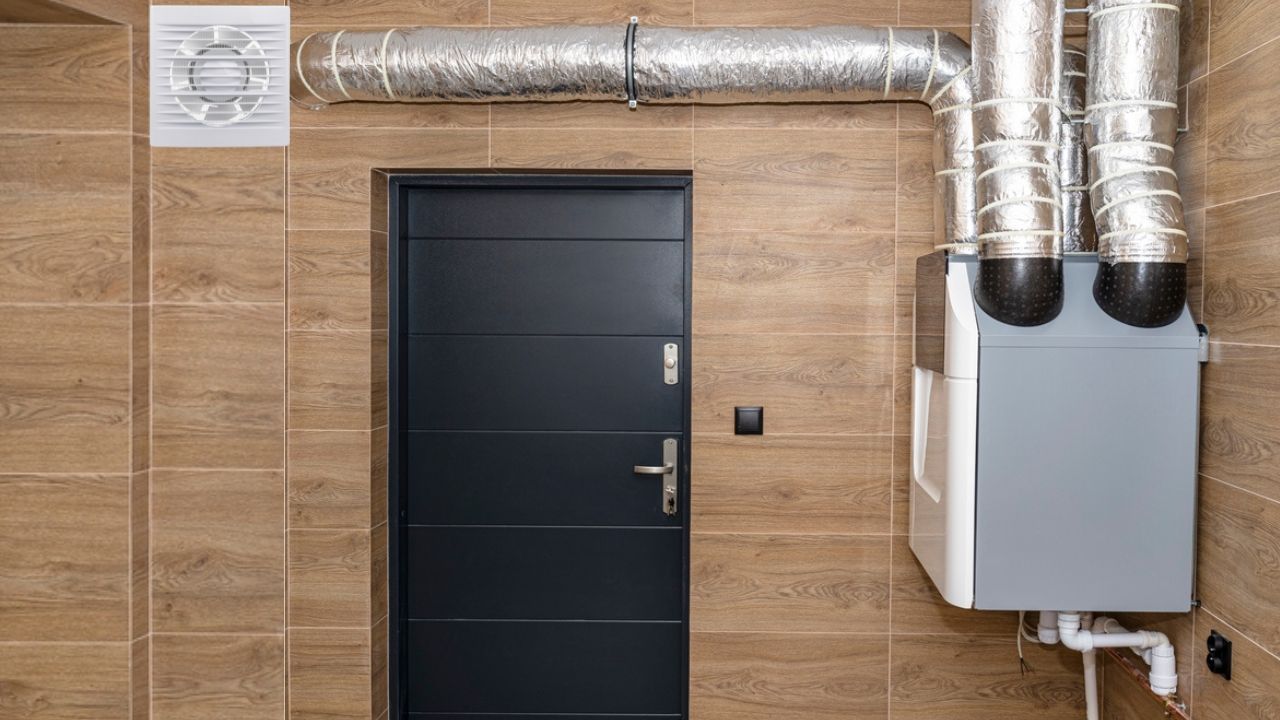
In today’s modern homes, ventilation plays a crucial role in both indoor air quality and energy efficiency. For years, traditional extractor fans have been the go-to solution for removing moisture and odours in spaces like bathrooms and kitchens. However, new systems are now being considered that offer more than just basic air extraction.
What if there were a solution that could improve ventilation, save energy, and maintain comfort all at once? If you’re building or renovating, you may want to consider your options carefully.
In this guide, we will look at MVHR vs. traditional extractor fans in new homes, exploring the key differences and why one may be the smarter choice for your home.
MVHR vs. Traditional Extractor Fans in New Homes
For years, extractor fans in bathrooms and kitchens were the go-to solution for removing unwanted air and preventing condensation. However, with new building standards and growing homeowner expectations, there’s been a noticeable shift in ventilation systems.
Today, more new builds and property renovations in Ireland are opting for Mechanical Ventilation with Heat Recovery (MVHR) systems rather than relying solely on individual extractor fans. The reason? MVHR offers continuous, balanced ventilation while recovering heat, something that traditional extractor systems cannot provide.
Moreover, if you’re planning a new build or major renovation project, this blog outlines the key differences between MVHR systems and extractor fans and why MVHR is the smarter choice for long-term indoor air quality, comfort, and energy efficiency.
How Extractor Fans Work (And Where They Fall Short)
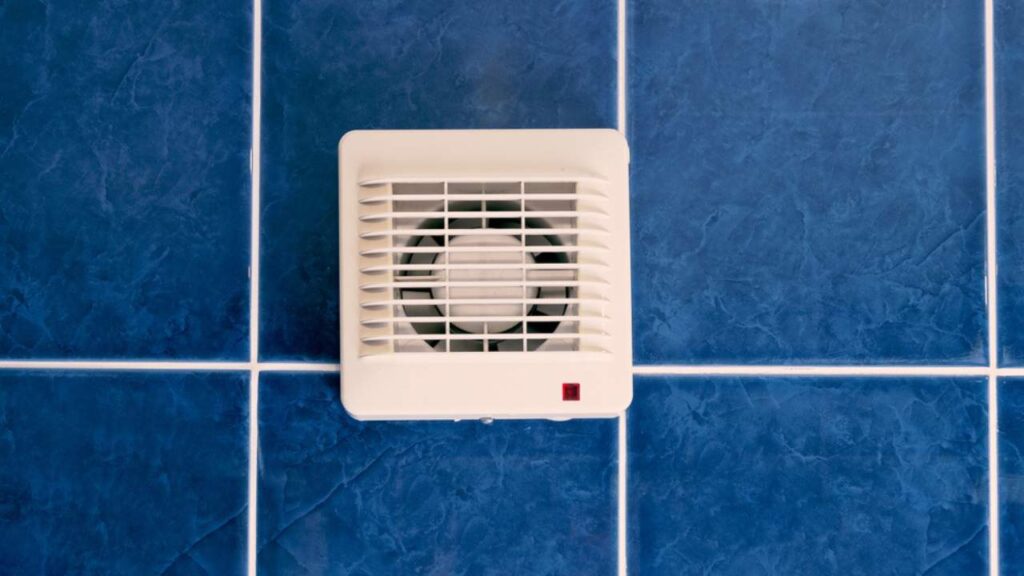
Extractor fans are installed in wet rooms such as bathrooms, kitchens, and utility areas to remove moisture and odours. They work by either manual activation or a sensor, drawing air out through ducts that lead to the outside.
Limitations of Extractor Fans
- Only ventilate the rooms where they are installed
- Depend on natural air to replace the removed air (often through trickle vents)
- Can cause drafts, particularly in colder weather
- Provide no heat recovery—warm air is simply lost
- Often noisy and left off
- Can become clogged or underused over time
Extractor fans are a reactive, localised solution, not a whole-house ventilation system. In modern airtight homes, this can lead to poor air circulation, moisture build-up, and inconsistent performance.
What Is MVHR and How Does It Work?
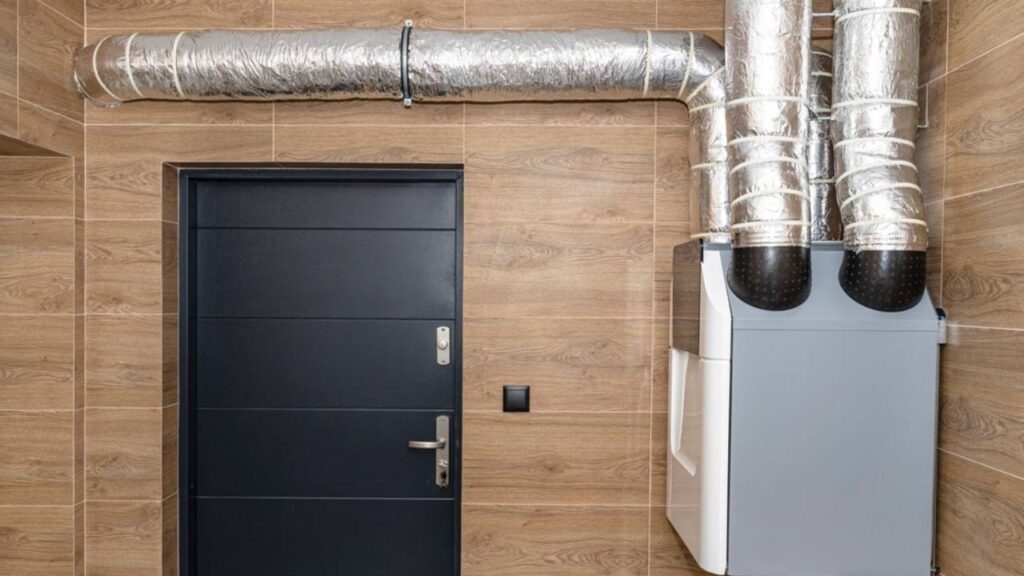
MVHR systems provide whole-house ventilation by continuously removing unwanted air from wet rooms like bathrooms, kitchens, and utility areas, while simultaneously supplying filtered fresh air to living rooms and bedrooms. A central heat exchanger recovers warmth from the outgoing air and uses it to preheat the incoming air.
The result is a consistent, balanced supply of clean, tempered air without the need to open windows for ventilation or losing heat.
Why MVHR Is Superior for Indoor Air Quality?
Discover how MVHR provides a healthier, more efficient solution for maintaining optimal air quality throughout your home.
1. Continuous Ventilation
Extractor fans only work when turned on. MVHR, on the other hand, runs 24/7, ensuring a consistent exchange of air and preventing moisture build-up.
2. Whole-House Coverage
While extractor fans only work in specific rooms, MVHR systems are ducted throughout the home, ensuring fresh air is supplied to every room.
3. Heat Recovery
MVHR systems recover 70-90% of the heat from the removed air, reducing heating costs. Traditional extractor fans simply release warm air.
4. Air Filtration
MVHR systems filter incoming air, removing pollen, pollutants, and external odours—particularly beneficial for allergy sufferers.
5. Quiet and Discreet
MVHR units are typically housed in a loft or cupboard, with silent diffusers distributing air throughout the home. No noisy fans to disrupt your daily life.
MVHR vs Extractor Fans: A Detailed Comparison

7 key differences between mvhr and extractor fans
Ventilation Coverage
MVHR systems provide whole-house ventilation, ensuring fresh air is delivered to every room. In contrast, extractor fans are limited to specific areas, such as bathrooms and kitchens, offering localised ventilation.
Energy Efficiency
MVHR systems recover and reuse up to 90% of heat, reducing heating costs. Traditional extractor fans, however, expel warm air, resulting in heat loss and higher energy bills.
Air Quality Improvement
MVHR systems continuously filter incoming air before distributing it inside, improving air quality throughout the home. Extractor fans only remove air but do not filter the incoming air.
Condensation and Mould Prevention
MVHR systems regulate humidity levels across the entire house, preventing condensation and damp. Extractor fans only reduce moisture in the rooms where they are installed, without addressing the humidity levels throughout the home.
Noise Levels
MVHR systems are designed for quiet, continuous operation, with diffusers spreading air quietly through the house. Extractor fans can be noisy, particularly in bathrooms.
Cost of Installation
MVHR systems have a higher initial cost but offer long-term savings on energy bills. Extractor fans are more affordable to install but result in higher heating costs over time due to heat loss.
Suitability for Airtight Homes
MVHR systems are designed to perform well in airtight homes, offering consistent ventilation and heat recovery. Extractor fans, however, are often inadequate in airtight buildings, as they rely on natural ventilation.
When to Choose MVHR Over Extractor Fans
- When building a new home or undertaking a major renovation
- When your property is highly insulated or airtight
- If you want to avoid trickle vents in windows
- If you have family members with allergies or asthma
- If you value long-term energy savings
- If you want better control over air quality and comfort
Which Homes Benefit Most from MVHR?
MVHR is ideal for:
- Urban homes exposed to outdoor pollution, as MVHR filters air before it enters.
- New builds designed with airtight construction.
- Renovated homes with upgraded insulation and sealed windows.
- Homes prone to condensation and mould due to poor airflow.
- Energy-efficient and eco-conscious households looking to reduce heating costs.
Conclusion!
MVHR systems offer a more efficient and effective solution for ventilation compared to traditional extractor fans. With continuous air circulation, heat recovery, and improved air quality, MVHR enhances comfort and reduces energy costs in modern homes. Unlike extractor fans, which provide only localised, intermittent ventilation, MVHR ensures whole-house coverage, making it ideal for energy-efficient homes.
When considering MVHR vs. traditional extractor fans in new homes, choosing MVHR can provide long-term benefits in both air quality and energy savings. Contact VentSolve today to learn more about installing MVHR in your home and improve your indoor environment!
FAQ’s
1. What is the difference between MVHR and an extractor fan?
MVHR provides whole-house ventilation, continuously extracting unwanted air while recovering heat and bringing in fresh air. Extractor fans are localised, only removing air from specific rooms without heat recovery, making them less efficient.
2. Do MVHR systems use a lot of electricity?
No, MVHR systems are energy-efficient, running continuously while consuming little electricity. They save energy by recovering heat, reducing the need for additional heating.
3. How does MVHR improve indoor air quality?
MVHR continuously circulates fresh, filtered air throughout the home, removing pollutants and moisture and improving air quality, especially for allergy sufferers.
4. Do MVHR systems need to be serviced?
Yes, MVHR systems require regular maintenance, including cleaning filters every 6-12 months and annual professional servicing to ensure efficient operation.
5. Is MVHR suitable for all homes?
MVHR is ideal for modern, airtight homes. It may not be as effective in older homes with poor insulation or high levels of air leakage.
6. Can an MVHR system prevent mould?
Yes, MVHR helps control humidity levels, reducing condensation and the risk of mould growth, especially in damp areas like bathrooms and