
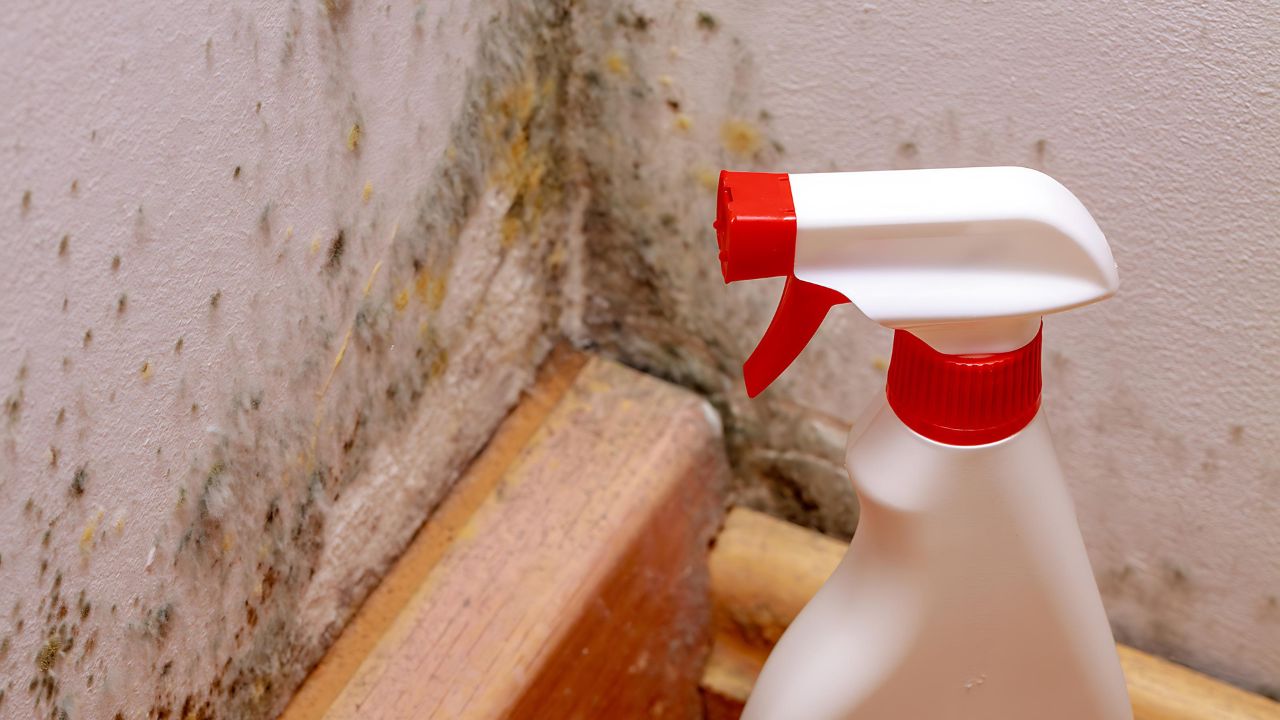
Mould problems often appear quietly but can quickly turn into a serious concern for any property owner. Damp patches, musty odours, and dark spots on walls are early warning signs that should never be ignored. Left untreated, mould can spread rapidly, affecting indoor air quality, structural surfaces, and overall living conditions.
This is where understanding the mould removal cost in Ireland becomes essential, as prices can vary depending on severity, location, and the underlying cause of moisture. Professional mould removal is not just about cleaning visible growth but about protecting health, preserving property value, and avoiding recurring issues.
In this blog, we will explore mould removal costs in Ireland, key pricing factors, and what to expect from professional solutions.
What Causes Mould Problems in Ireland and Why Is Removal Essential?
Mould problems are particularly common in Ireland due to a combination of environmental and structural factors. The country’s mild, damp climate creates year-round high humidity, allowing moisture to build up inside homes and buildings.
Poor ventilation in bathrooms, kitchens, bedrooms, and attics often traps this moisture, leading to condensation on walls, ceilings, and windows. Leaking pipes, roof damage, rising damp, and inadequate insulation can further worsen the issue by providing a constant moisture source for mould growth.
Removal is essential because mould does not remain a surface-level problem. Once established, it releases spores into the air, which can affect indoor air quality and trigger health issues such as allergies and respiratory discomfort. Proper mould removal also helps prevent structural damage and stops recurring growth, protecting both property value and living conditions.
How Much Does Mould Removal Cost in Ireland?
The cost of mould removal in Ireland can vary significantly depending on the size of the affected area, the severity of the infestation, and the level of work required. For small-scale issues, such as mould affecting a single wall or room, prices typically range from €250 to €1,500, covering basic cleaning and antimicrobial treatments.
More moderate infestations spread across multiple rooms or covering 5 to 15 square metres may cost between €600 and €1,200, with more complex cases exceeding €2,000.

For large-scale infestations or commercial properties where mould has caused more serious structural damage, costs can range from €3,000 to €6,000 or more. In some cases, basic surface treatments for minor mould issues may cost around €85 per room, though these are usually short-term solutions rather than comprehensive remediation.
What Factors Influence the Cost of Mould Removal In Ireland?
Mould removal costs are not fixed because every property and mould problem is different. Understanding these factors helps explain why prices can vary so widely across Irish homes and commercial buildings.
Below are the key elements that influence mould removal pricing in Ireland and why each one plays an important role.
1. Severity & Size
The severity and size of the mould infestation are among the biggest cost factors. Small, surface-level mould confined to one wall or room usually requires less time, fewer materials, and minimal labour. In contrast, widespread mould affecting multiple rooms, ceilings, or hidden cavities requires extensive treatment, containment measures, and repeat applications.
Larger infestations also increase the need for specialised equipment and longer remediation periods. As mould spreads, it becomes more deeply embedded into surfaces, making removal more complex and significantly increasing overall costs.
2. Accessibility
Accessibility directly affects labour time and complexity. Mould that is easily reachable on visible walls or ceilings can be treated more efficiently. However, mould located behind plasterboard, under flooring, inside roof spaces, or within ventilation systems is harder to access.
These areas may require partial dismantling, specialist tools, or safety precautions, all of which increase costs. Limited access also slows the removal process, increasing labour costs and extending project timelines.
3. Damage Extent
The extent of mould damage plays a major role in pricing. In the early stages, mould may only affect surface finishes such as paint or wallpaper. In more advanced cases, it can damage plaster, timber, insulation, or structural components.
When materials need to be repaired or replaced, costs rise significantly. Structural repairs, re-plastering, or replacing damaged insulation add to the overall expense but are often necessary to fully resolve the problem and prevent recurrence.
4. Location
The property’s location and the specific area affected can influence costs. Urban areas and larger cities may have higher labour rates, while remote locations can involve additional travel charges.
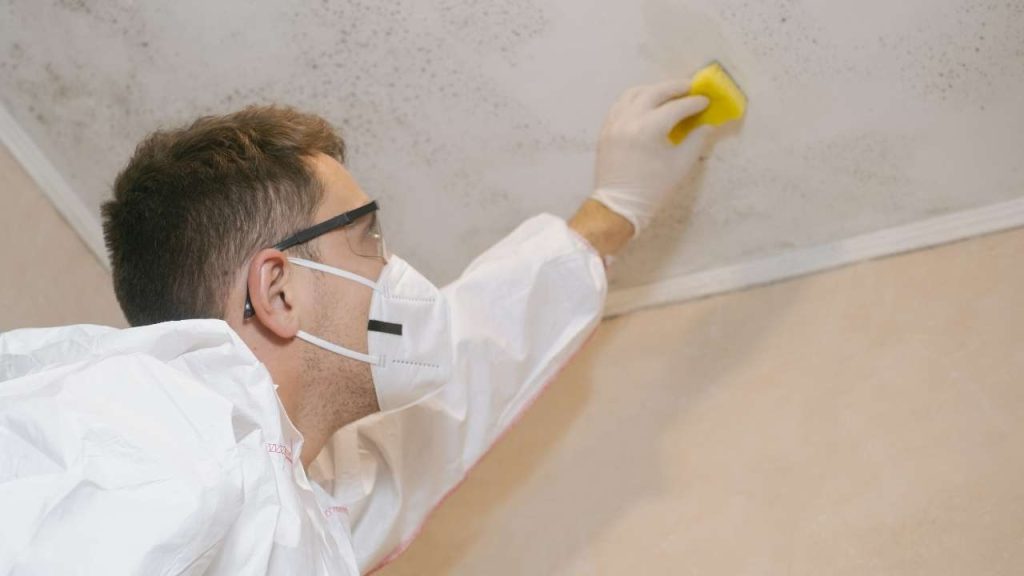
Internally, mould in high-moisture areas such as bathrooms, kitchens, or basements may require targeted treatments and moisture-control solutions. Commercial properties often cost more due to larger spaces, stricter safety requirements, and the need to minimise disruption during business hours.
5. Professional vs. DIY
Choosing between professional mould removal and DIY solutions also affects cost. DIY treatments may appear cheaper initially, but often only address visible mould and fail to resolve underlying moisture issues. This can lead to recurring problems and higher long-term expenses.
Professional services involve thorough inspections, safe removal methods, and preventative measures, which increase upfront costs but reduce the likelihood of mould returning. In many cases, professional remediation proves more cost-effective over time by preventing the need for repeated treatments and property damage.
Conclusion
The cost of mould removal in Ireland depends on several key factors, including the size of the affected area, the severity of the infestation, accessibility, the property’s location, and the extent of moisture-related damage. While minor mould issues may start from as little as €85 per room, more extensive residential treatments can range from €400 to €1,400, with large-scale or commercial mould removal projects costing significantly more. Addressing mould early and resolving underlying ventilation or moisture issues helps reduce long-term expenses and prevents recurring problems.
VentSolve offers professional mould removal and ventilation services across Ireland, delivering effective, customised solutions for each property. Contact VentSolve today to discuss your mould concerns, receive a detailed assessment, and restore a healthier, mould-free indoor environment with expert support.
Frequently Asked Questions
How much does mould removal cost in Ireland on average?
Mould removal costs in Ireland typically range from €250 to €1,500 for small to moderate residential issues. Larger infestations or commercial properties can cost €3,000 to €6,000 or more, depending on severity, accessibility, and the extent of damage.
What causes mould to grow inside Irish homes?
Mould commonly develops due to high humidity, poor ventilation, condensation, water leaks, and damp conditions. Ireland’s climate makes homes particularly vulnerable, especially in bathrooms, kitchens, bedrooms, and poorly ventilated spaces.
Is professional mould removal necessary, or can it be done DIY?
DIY solutions may temporarily remove visible mould, but they rarely address hidden growth or the underlying moisture sources. Professional mould removal ensures safe treatment, prevents spore spread, and reduces the risk of mould returning.
How long does mould removal take?
Small mould removal jobs can take a few hours, while larger or more severe infestations may take several days. The timeline depends on the size of the affected area and whether repairs or drying are required.
Does mould affect indoor air quality?
Mould releases spores into the air, which can lower indoor air quality and cause respiratory irritation, allergies, and discomfort, especially among children, the elderly, and individuals with existing health conditions.
When should mould removal be carried out?
Mould removal should be carried out as soon as signs appear, such as visible growth, musty odours, or persistent dampness. Early action helps limit damage, reduce costs, and protect indoor living conditions.