

A healthy home relies on proper airflow, yet many households only notice ventilation problems once they begin to affect comfort or indoor air quality. Damp rooms, persistent odours, and stale air are often early signals that your current system is no longer performing as it should.
Learning to know if your house needs a ventilation upgrade can help you spot these issues sooner and prevent long-term damage. With the right improvements, you can reduce moisture, improve air circulation, and create a cleaner, fresher environment for your family. Investing in better ventilation not only supports well-being but also protects your home’s structure over time, making it an essential part of regular property care.
This blog will help you learn why to invest in ventilation and how to know if your house needs a ventilation upgrade.
Let’s start!
Why Investing in Proper Ventilation Matters for Your Home?
Investing in proper ventilation is one of the most effective ways to improve your home’s comfort, health, and energy efficiency. Good ventilation helps remove excess moisture, indoor pollutants, and stale air, all of which can contribute to condensation, mould growth, and discomfort.
It also ensures a steady supply of fresh, filtered air, creating a healthier environment for you and your family. Modern ventilation systems can reduce humidity, improve air quality, and even support better energy performance when used alongside heating systems.
Whether you live in a new build or an older property, upgrading your ventilation is a long-term investment that protects your home while enhancing daily living.
How to Know If Your House Needs a Ventilation Upgrade?
Learning how to know if your house needs a ventilation upgrade can help you spot problems early and protect your home from long-term damage.
Below are the key indicators that your ventilation system is no longer meeting your household’s needs.
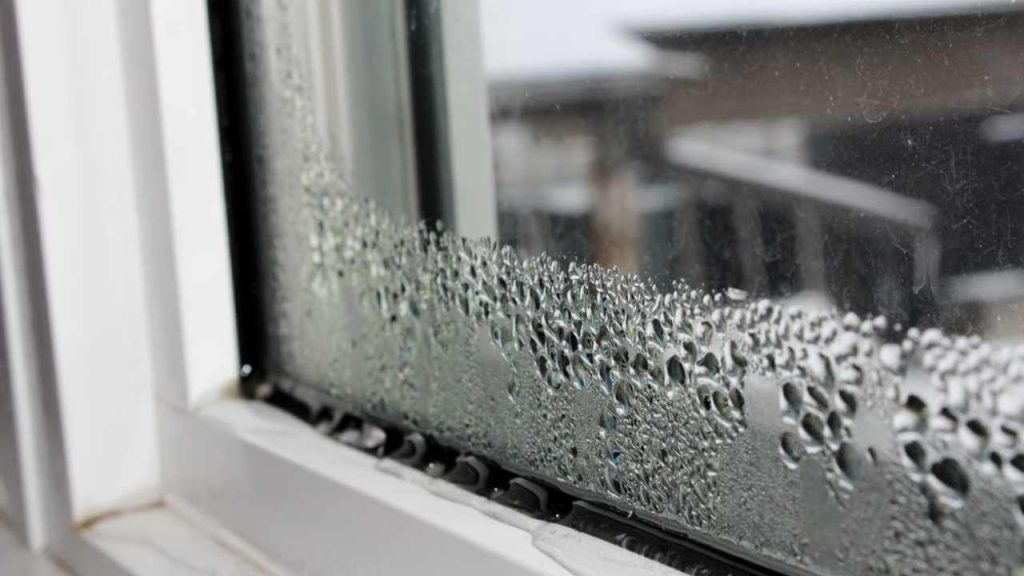
1. Constant Condensation on Windows
If your windows regularly mist over, especially in the mornings, it’s often a sign that indoor moisture has nowhere to escape. Over time, this moisture can damage window frames, paintwork, and surrounding plaster.
Improving airflow helps reduce humidity, preventing mould and damp from developing. Addressing condensation early prevents more costly repairs in the future.
2. Musty Smells or Visible Mould

Persistent musty odours or spots of mould in corners, cupboards, or around ceilings usually point to trapped moisture. Poor ventilation allows damp air to settle, creating ideal conditions for mould to grow.
This can affect both your property and your health, particularly for anyone with allergies or asthma. Upgrading your ventilation helps remove stale air and control moisture before it spreads.
3. Stale or Heavy Indoor Air
Rooms that feel stuffy or “closed-in” suggest that fresh air is not circulating properly. Without adequate airflow, everyday pollutants such as dust, fumes, and household chemicals remain trapped indoors.
This can lead to headaches, fatigue, or general discomfort. Improving your ventilation helps maintain a steady flow of cleaner, fresher air throughout your living spaces.
4. Lingering Smells from Cooking or Pets
Cooking smells, pet odours, or chemical scents that remain in the air long after their source is gone often indicate poor extraction. When air movement is limited, these odours recirculate instead of being released outdoors.
Upgrading extraction fans or installing a more effective whole-house ventilation system helps clear the air faster and keep your home feeling fresher.
5. Allergy or Breathing Difficulties Indoors
If allergy symptoms worsen inside your home, it may be due to dust mites, pollen, or other irritants settling in poorly ventilated rooms. High humidity can also make breathing more difficult for those with asthma or respiratory issues.
A modern ventilation system filters incoming air and removes moisture, helping you maintain a healthier indoor environment.
6. Excess Humidity in Certain Rooms
If some rooms feel noticeably more humid than others, especially bathrooms, kitchens, or bedrooms, it often means moisture is building up without proper ventilation. High humidity can cause condensation on walls, damage to plaster, and an increase in dust mites.
These conditions make your home feel warmer, heavier, and uncomfortable. Improving airflow helps balance moisture levels across your home and protects surfaces from long-term deterioration.
7. Dust Build-Up Despite Regular Cleaning
When dust returns quickly after cleaning, it may be a sign that air is not circulating or filtering properly. Poor ventilation allows dust, lint, and airborne particles to settle on surfaces far more often.
Over time, this can affect indoor air quality and trigger allergies or respiratory irritation. Upgrading your ventilation system helps remove particles more effectively and keeps your home cleaner for longer.
Conclusion
A well-ventilated home is essential for comfort, health, and long-term protection of your property. Throughout this guide, we explored the key signs that your home may need a ventilation upgrade, from persistent condensation and mould to lingering odours and poor air quality. Understanding these warning signals can help you take action before minor issues turn into costly problems. If you suspect your current system is no longer keeping up with your home’s needs, now is the ideal time to seek expert support.
Contact VentSolve today for professional advice, customised ventilation assessments, and reliable installation services that help you create a fresher, healthier living environment.
FAQs
1. What are the signs that my home needs better ventilation?
Common signs include persistent condensation on windows, musty smells, mould patches, and humid rooms. Stale or stuffy air and lingering odours are also strong indicators that your current ventilation isn’t working effectively.
2. Why is condensation a problem in homes?
Frequent condensation shows that excess moisture isn’t escaping properly. Over time, this can lead to mould growth, damaged window frames, and health issues for occupants, making improved ventilation essential.
3. Can poor ventilation affect my health?
Yes. Poor airflow can lead to a buildup of allergens, pollutants, and moisture, which may worsen asthma, allergies, or respiratory discomfort. Fresh, filtered air is key to a healthier home.
4. How do I know if ventilation issues cause mould?
If mould appears in corners, around windows, or behind furniture, it’s often linked to high humidity and poor air circulation. A ventilation upgrade can help prevent moisture from settling and spreading.
5. Can VentSolve inspect my home to assess ventilation problems?
Absolutely. VentSolve offers complete ventilation assessments that identify issues such as high humidity, poor airflow, and hidden damp, so you understand exactly what needs improving.
6. Can VentSolve help prevent future mould and humidity issues?
Definitely, VentSolve provides personalised solutions that control moisture levels, increase air circulation, and reduce conditions where mould can grow, offering long-term protection for your home.