

Are you thinking about using anti-mould paint but unsure how long its protection will actually last? Anti-mould paints are becoming increasingly popular among homeowners in Ireland thanks to their ability to keep walls looking clean and fresh.
Anti-mould paint offers the advantage of preventing mould from returning and provides a durable barrier against damp and fungal growth. This is especially beneficial in moisture-prone areas like bathrooms, kitchens, and basements, where mould problems can quickly reappear if not properly treated.
In this blog, we’ll explain how long does anti-mould paint last, the factors that affect its durability, and expert tips to make your paint protection last as long as possible.
How Long Does Anti-Mould Paint Last?
The lifespan of anti-mould paint typically ranges between 2 to 7 years, depending on factors such as paint quality, application method, and environmental conditions. In well-ventilated and dry spaces like bedrooms or living rooms, high-quality anti-mould paint can last up to five to seven years, keeping surfaces clean and mould-free.
In contrast, areas with high moisture levels such as bathrooms, kitchens, or basements usually see a shorter lifespan of around two to four years due to constant humidity and condensation. To achieve the best results, it is essential to prepare surfaces properly before painting and maintain good ventilation throughout the room.
Choosing a premium product and applying it correctly will help extend its durability. While anti-mould paint is highly effective, it is not a permanent fix, so regular maintenance and timely recoating are important for long-term protection.
Where Can You Use Anti-Mould Paint?
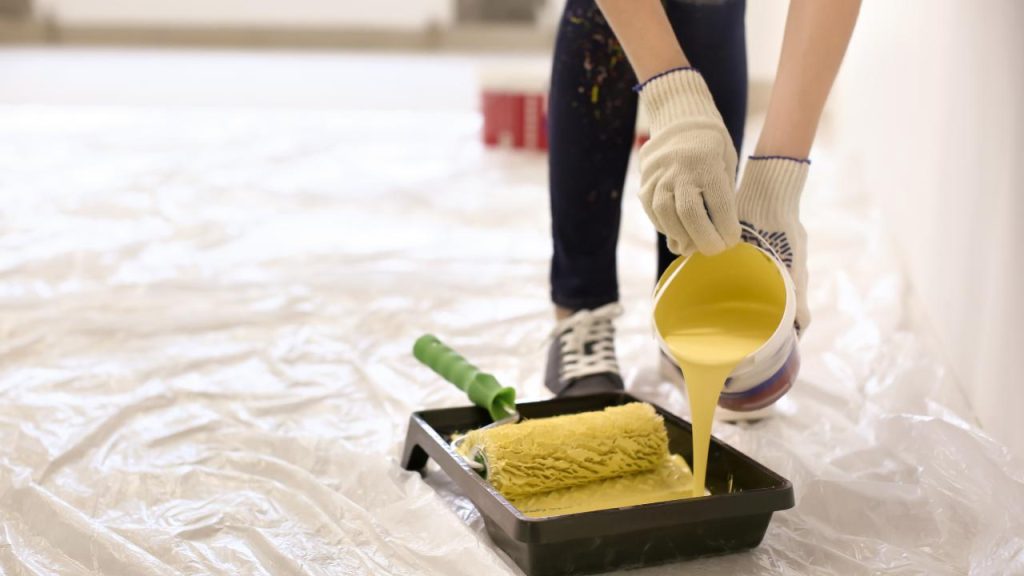
Anti-mould paint is specially formulated for indoor use on walls and ceilings, making it a practical solution for preventing mould growth in different parts of the home, such as:
Kitchens
Bathrooms
Finished basements and cellars
Bedrooms
Living rooms
Utility rooms
When Won’t Anti-Mould Paint Work?
Anti-mould paint is effective, but there are situations where it will not solve the problem. It will not work if the surface has active mould that has not been properly cleaned before painting, as the spores can continue to grow underneath.
It is also ineffective when underlying damp issues such as leaks, rising damp, or structural damage are not addressed first. Painting over these problems only hides them temporarily. In rooms with extremely poor ventilation and constant high humidity, the paint’s protective layer can break down much faster.
Additionally, using low-quality products or applying the paint incorrectly can reduce its effectiveness. Tackling the root cause of dampness is essential before relying on anti-mould paint.
Can You Paint Over Anti-Mould Paint?
Yes, you can paint over anti-mould paint, but it is important to do it correctly to maintain its effectiveness. Most high-quality anti-mould paints can be used as a base coat, allowing you to apply decorative emulsion or coloured paint on top. However, you should always make sure the surface is clean, dry, and in good condition before repainting.
If the anti-mould layer is damaged, peeling, or discoloured, it is best to lightly sand and clean the surface before applying any new paint. It is also essential to use compatible paints that do not block or weaken the protective properties of the anti-mould coating.
Some standard paints may reduce its mould-resistant effect if applied too thickly. For the best results, follow the manufacturer’s guidelines and consider using a mould-resistant topcoat to ensure long-lasting protection and a smooth, attractive finish.
How to Apply Anti-Mould Paint?
Applying anti-mould paint correctly is essential to achieve long-lasting protection and a smooth, clean finish. Follow these key steps to get the best results.
Clean and Treat the Surface
Start by removing any existing mould using a suitable mould wash or fungicidal solution. Scrub affected areas thoroughly and allow them to dry completely. Painting over untreated mould will only trap spores underneath, leading to future growth. Ensuring a clean, dry surface is the most important foundation for success.
Repair and Prepare the Area

Check the walls or ceilings for cracks, peeling paint, or damp patches. Repair any damage and sand rough areas to create a smooth base. If necessary, apply a primer to help the anti-mould paint bond properly. Proper preparation improves adhesion and overall durability.
Apply the First Coat Evenly
Stir the paint well and apply the first coat with a quality brush or roller. Work in smooth, even strokes to avoid streaks or thin patches. Allow the first coat to dry fully as recommended by the manufacturer before applying the second coat.
Apply the Second Coat & Allow to Cure
Once the first layer is dry, apply the second coat to strengthen the protective barrier. A second coat ensures better coverage and improved mould resistance. After application, let the paint cure fully and keep the room well-ventilated to support proper drying.
Conclusion
Anti-mould paint is an excellent solution for preventing mould growth and keeping your home clean and healthy. Its effectiveness depends on factors such as product quality, proper preparation, correct application, and environmental conditions. When used in the right areas and maintained well, anti-mould paint can last for several years, protecting your walls and ceilings from damp and fungal problems. However, it is not a permanent fix and works best when underlying moisture issues are properly addressed.
If you want long-lasting protection and professional results, VentSolve can help. Our expert team provides thorough mould treatment, ventilation solutions, and high-quality anti-mould paint application customised to your home’s needs. Contact VentSolve today to book your mould inspection and take the first step towards a cleaner, healthier living environment.
Frequently Asked Questions
How long does anti-mould paint last?
Anti-mould paint typically lasts between 2 to 7 years, depending on factors such as paint quality, surface preparation, application method, and room conditions. In well-ventilated spaces like living rooms, it can last up to seven years, while in damp areas like bathrooms, the lifespan is usually around two to four years. Regular maintenance helps extend its effectiveness.
Can I use anti-mould paint in any room?
Yes, anti-mould paint can be used in most indoor spaces. It is especially useful in kitchens, bathrooms, basements, bedrooms, living rooms, and utility rooms. These areas are more prone to dampness and condensation, making them common spots for mould growth.
Do I need to remove existing mould before applying anti-mould paint?
Yes, always remove any existing mould before painting. Painting over active mould only hides the problem temporarily and allows it to grow underneath. Use a mould-killing solution to clean the surface thoroughly and let it dry completely before applying the paint.
Is anti-mould paint a permanent solution?
No, anti-mould paint is not a permanent fix. It helps delay and prevent mould growth, but if underlying issues such as leaks, damp walls, or poor ventilation remain, mould may eventually return. For long-term results, tackle the root cause of the problem along with applying anti-mould paint.
Can I paint over anti-mould paint with normal paint?
Yes, you can paint over anti-mould paint, but it is important to use compatible paints. Make sure the surface is clean and undamaged, and avoid applying thick layers of standard paint that could reduce the mould-resistant properties. Some manufacturers recommend using a mould-resistant topcoat for best results.
What should I do if mould returns after using anti-mould paint?
If mould reappears, it usually indicates an underlying damp or ventilation issue. Clean the affected area, identify the source of the moisture, and fix it before repainting. In many cases, professional help is the best way to ensure lasting protection. VentSolve can assess your home and provide expert mould prevention solutions.