
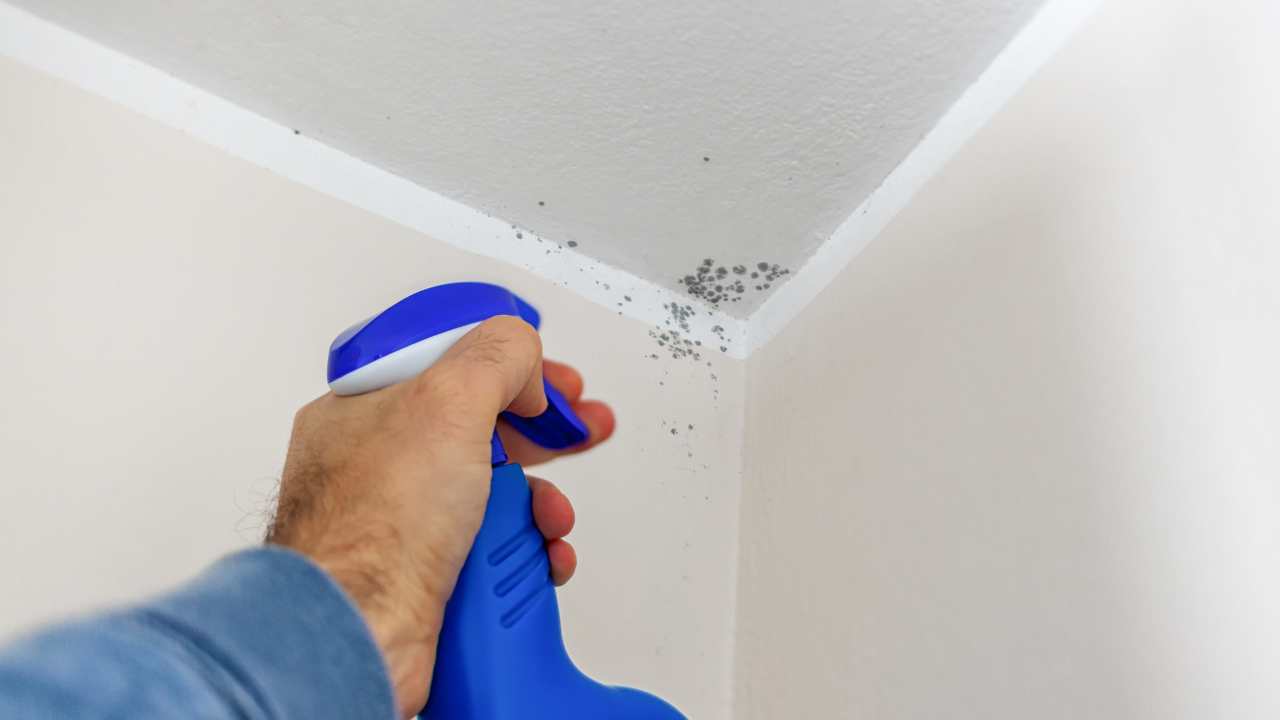
Have you ever tried to get rid of mould at home, only to see it come back even worse? Many homeowners think they are tackling the problem correctly, but simple mistakes often make mould grow faster.
Using the wrong products, waiting too long, or ignoring hidden moisture can turn a small issue into a serious one. Mould is not only unsightly, it can also damage your property and affect your health. That’s why knowing what not to do is just as important as knowing what to do.
In this blog, we’ll explore the 5 common mistakes homeowners make when trying to remove mould and how to avoid them.
Let’s start!
What Are The 5 Common Mistakes Homeowners Make When Trying to Remove Mould?
Dealing with mould at home can be frustrating, especially when the wrong methods make the problem worse. Many people rely on quick fixes, but these often leave spores behind or create new issues.
Knowing what not to do is just as important as knowing how to clean it up properly.
1. Using the Wrong Cleaning Products
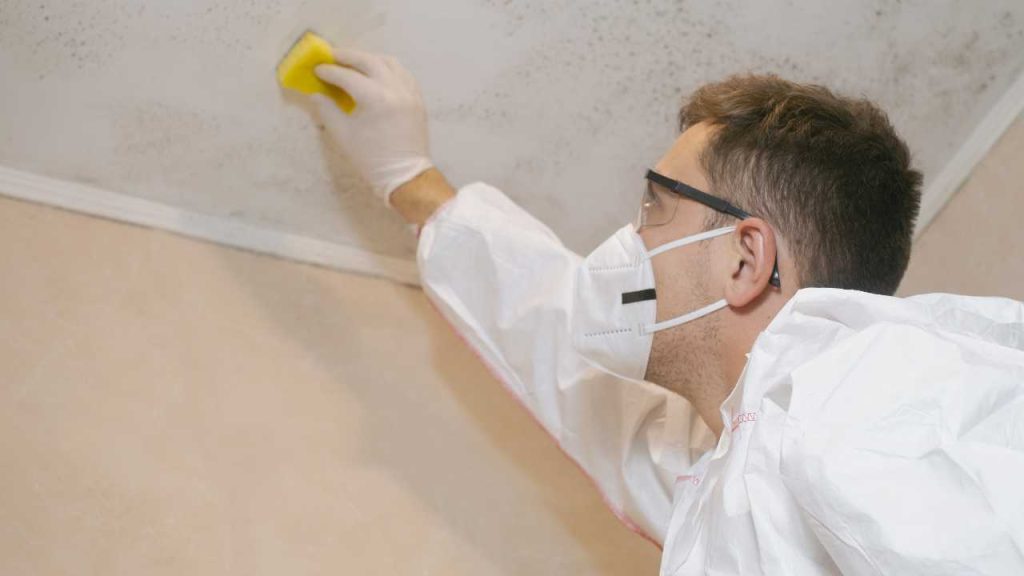
Many people believe that bleach is the best way to kill mould, but that’s not true. Bleach may lighten the stain, yet the mould roots remain and can regrow quickly. Prolonged use of harsh chemicals like bleach can also worsen indoor air quality and trigger breathing problems or irritation.
Instead, you should look for products designed to attack mould at its source. These products break down spores and stop regrowth rather than just covering the surface. Using the right cleaner makes a huge difference in preventing mould from returning. It’s not just about appearance, but about tackling the hidden problem underneath.
2. Waiting Too Long to Act
One of the biggest mistakes is ignoring mould until it spreads. Mould doesn’t need weeks to grow. It can appear within 24 to 48 hours if moisture is left untreated. A small water spill, like one on a bathroom shelf, can quickly turn into a bigger problem.
Acting quickly prevents spores from spreading further into the home. This means fixing leaks, drying wet spots, and cleaning visible growth right away. The longer you wait, the harder it becomes to clean, and the more damage it can cause. Fast action is the key to keeping mould under control before it takes over.
3. Trying to Hide Mould with Paint
Painting over mould may seem like a quick solution, but it only hides the problem temporarily. Even so-called “mould-resistant” paints don’t remove mould. They simply slow it down. If the surface underneath is still damp and contaminated, the mould will eventually push through the paint.
This leaves walls or ceilings looking worse than before. The proper way is to clean and dry the affected area completely before repainting. Only when the mould is gone should a protective paint be applied. Skipping this step means the mould will always come back, no matter how many coats you add.
4. Ignoring the Real Cause of Mould
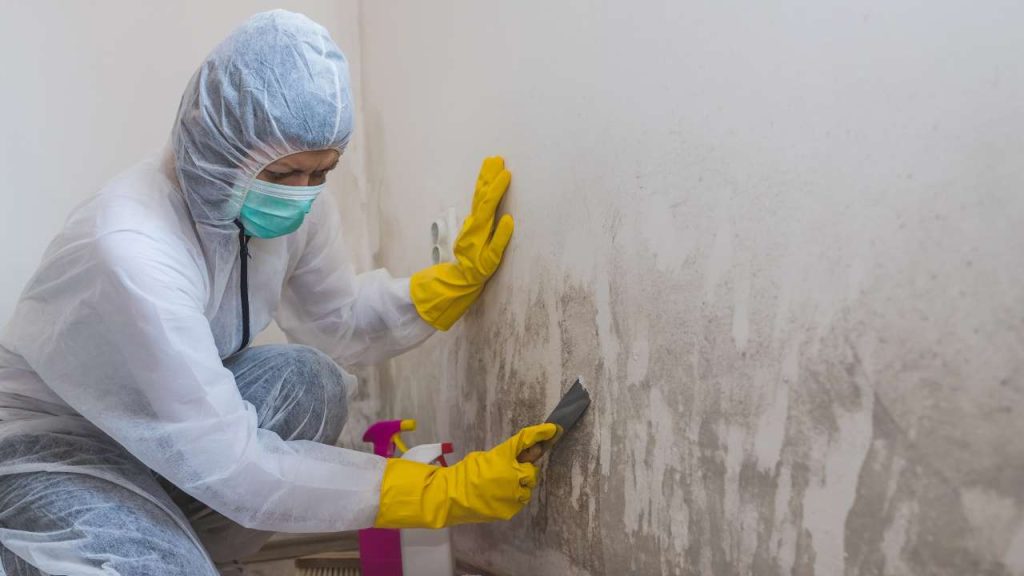
Mould is almost always linked to excess moisture, so cleaning alone won’t solve the issue. If the root cause is not fixed, mould will reappear again and again. Common culprits include leaks, poor ventilation, or high humidity in bathrooms and kitchens.
Homeowners need to focus on prevention by controlling indoor humidity levels and repairing leaks promptly. Simple habits like using fans, opening windows, or sealing grout can make a big difference. Without dealing with the source of the problem, cleaning efforts are wasted. Prevention is more effective than repeated surface cleaning.
5. Handling Mould Without Proper Protection
Mould spores can easily become airborne and affect your health while cleaning. Many homeowners don’t realise the risk of handling mould without the right gear. Protective gloves, eye protection, and a mask should always be used to reduce exposure.
People with asthma, allergies, or weak immune systems should avoid tackling mould on their own. For large infestations, it’s best to call professionals who have the right equipment and training. A good rule is to get help if mould covers an area larger than about ten square feet. Safety should always come first when dealing with mould problems.
Conclusion
Mould is more than just an eyesore – it can damage your home and affect your health if not handled correctly. In this post, we looked at the 5 common mistakes homeowners make when trying to remove mould, from using the wrong products to ignoring the root cause of moisture. Acting quickly, choosing the right solutions, and protecting yourself are all key steps to lasting results.
If you’re dealing with stubborn mould or want to prevent it from coming back, don’t take chances with DIY fixes. Contact VentSolve today and let our experts provide safe, effective mould removal and prevention customised to your home.
Frequently Asked Questions
Why shouldn’t I just use bleach to clean mould?
Bleach may lighten mould stains, but it doesn’t kill mould roots, allowing spores to survive and regrow and can worsen indoor air quality. Effective mould removal requires products that target spores, not just surface discolouration.
How quickly can mould develop after water exposure?
Mould can begin growing within 24 to 48 hours of moisture exposure and will persist unless the underlying damp is addressed and spores are fully removed.
Is it okay to paint over mould?
Painting over mould only masks the problem temporarily. Mould spores remain beneath the paint and will eventually resurface, potentially causing structural damage.
What should I do first when I spot mould in my home?
Start by locating and fixing the source of moisture such as leaks or poor ventilation, then thoroughly remove visible mould, thoroughly dry the area, and treat with a proper mould-control solution.
How can VentSolve help me remove mould more efficiently?
VentSolve rapidly diagnoses the root cause of mould using advanced assessment tools. Then applies targeted treatments that eliminate spores at their source and prevent recurrence.
Why choose VentSolve’s services for mould removal?
Our expert team swiftly intervenes at the first sign of mould, delivering safe, effective remediation with minimal disruption, plus proactive follow-up to ensure your home stays mould-free long term.