
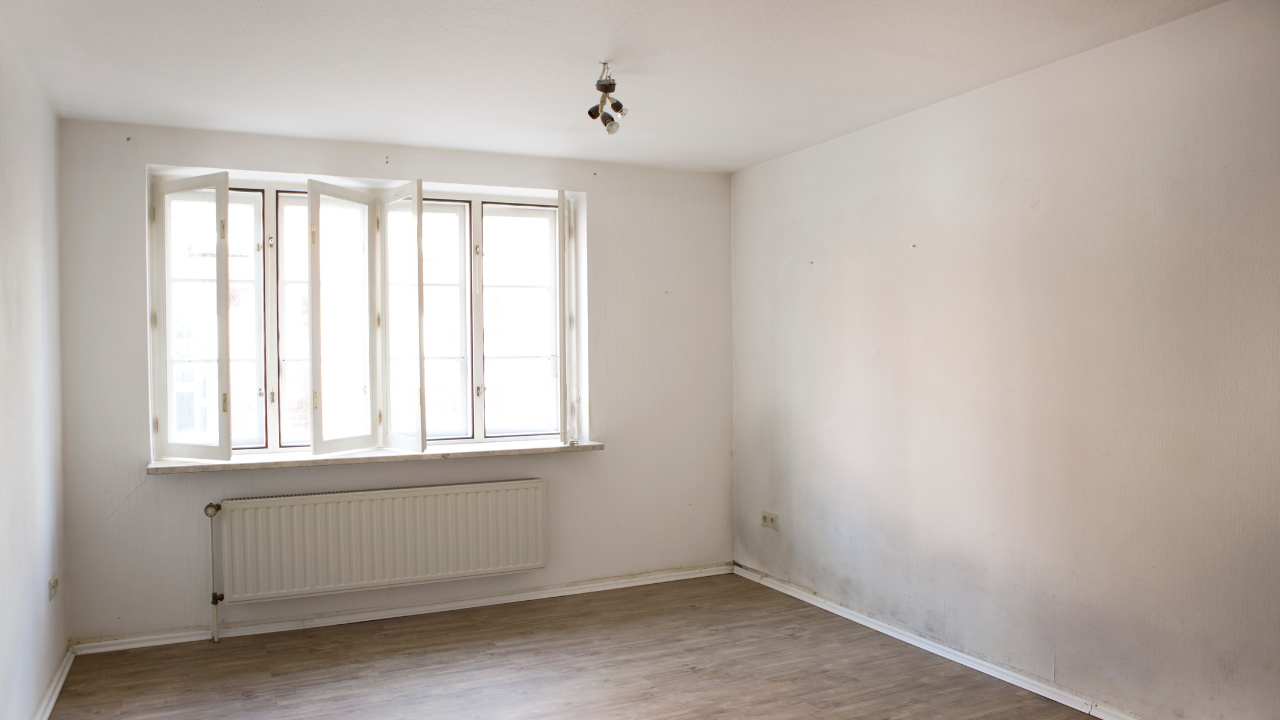
Mould on interior walls is a common problem, especially in areas where moisture builds up and air circulation is poor. Before reaching for a paintbrush, it’s important to understand the right steps to deal with the issue properly.
Many homeowners think, ‘Can I paint over mould?’, but painting is only effective when the surface has been fully cleaned and treated. Mould can return easily if the root cause is ignored, so careful preparation is essential. With the correct cleaning methods, suitable treatments and the right type of paint, you can restore your walls safely.
In this blog, we will help you achieve a long-lasting finish. Whether you’re tackling a small patch or a larger problem, the process remains the same.
Let’s start!
How to Paint Over Mould and Damp?
Mould and damp can appear in any home, especially during the colder months when rooms are harder to keep dry. They not only look unpleasant but can also lead to health problems if they are left untreated. Before painting, it’s important to deal with the source of the problem and clean the area properly.
You can use a range of products made for this job, including specialist cleaners, mould removers, primers and anti-mould paints. These help stop the mould from returning and give you a smoother surface to paint. With the right preparation, you can refresh the space and make it look clean and bright again.
How to Treat Mould on Walls Before Painting?
Before repainting any wall affected by mould, it’s important to clean, treat and prepare the surface properly. This helps stop the problem from returning and gives you a much better finish.
1. Clean the Area
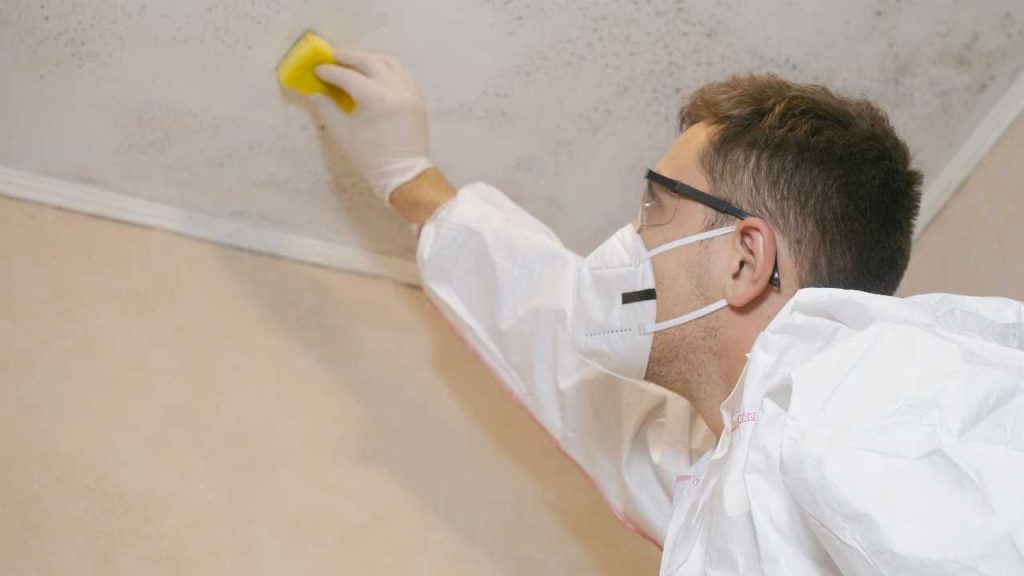
Start by clearing away as much mould as you can so the wall is clean and dry before any painting work begins. Use a firm brush to remove loose growth and flaking paint, making sure you reach into corners and textured areas.
Wipe the surface afterwards to get rid of any remaining dust or residue. Preparing the wall at this stage makes it easier for treatments, primers and paint to bond well.
2. Apply a Specialist Mould Treatment
Once the area is clean, treat the wall with a mould-removal solution to stop it from coming back. These treatments are designed to break down mould at its roots and work on most indoor surfaces, including plaster, wood and tiles.
Apply the solution evenly and allow it to work for the recommended time so it can dry fully. Giving the wall enough time to dry helps create a stable base for the next steps.
3. Fill, Sand and Prime
If the mould has damaged the plaster, check for cracks, holes or weak spots and fill them before painting. When the filler has dried, lightly sand the surface so it feels smooth and level.
This helps the primer settle evenly across the wall. Adding a primer at the end seals the area, reduces staining from old mould marks and allows your final coat of paint to sit evenly and last longer.
What Are The Tips for Painting Over Mould and Damp?
Once the wall has been cleaned, treated and primed, you can begin painting with confidence. Many people ask, “Can I paint over mould?”, and the answer is yes—but only after the surface has been properly prepared to stop the mould from coming back.
1. Use a Mould-Resistant Base Coat

Start with a paint that offers added protection against mould, as this creates a strong foundation for the rest of your work. Apply a smooth, even layer with a brush or roller, making sure you reach all corners and edges.
Allow it to dry fully so it forms a solid barrier. This first coat helps reduce future moisture problems and improves overall durability.
2. Add an Undercoat for Better Coverage
A quality undercoat helps hide any marks left behind after treatment, especially if the wall was stained from damp. Apply it evenly across the surface to improve coverage and create a more uniform finish.
This layer also helps the final colour adhere more effectively. Giving it enough time to dry ensures a smoother, more professional-looking result.
3. Finish With Your Chosen Top Coat
Once the base layers have dried, apply your final paint colour to complete the job. Work in steady strokes to keep the finish consistent across the whole wall.
A second coat may be useful if you want a richer or more solid colour. When fully dry, the wall will look clean, refreshed and far more resistant to future moisture issues.
Conclusion
Painting over mould is possible, but only when the affected area has been cleaned, treated and properly prepared. By removing the mould, applying the right treatments, filling any damage and using suitable paints, you can restore the surface and reduce the chances of the problem returning. Taking the time to follow each step ensures a longer-lasting and safer result, especially in rooms prone to dampness.
If you’re unsure where to start or would prefer a professional solution, contact VentSolve today. Their team can assess the issue, improve ventilation and provide the right treatment to keep your home healthy and mould-free.
FAQs
1. Can I paint over the mould?
You can paint over mould, but only after the surface has been fully cleaned, treated and dried. Painting directly over it will not solve the problem and the mould will return through the new paint.
2. What happens if you paint over mould without treating it?
If you skip treatment, the mould will continue to grow underneath the paint. This can lead to bubbling, discolouration and ongoing health concerns linked to mould spores.
3. How do I remove mould before painting?
Start by scrubbing the area, then apply a suitable mould treatment and allow it to dry. Once clean and dry, repair any damaged plaster, sand the surface and prime it before painting.
4. Can mould come back after painting?
Yes, mould can return if the underlying cause, usually damp or poor ventilation, is not fixed. Treating the root issue is key to long-term results.
5. Does VentSolve provide mould removal and repainting services?
Yes, VentSolve offers complete mould treatment and repainting solutions. Our team cleans, treats and repairs the affected surface before applying suitable coatings for long-lasting protection.
6. How quickly can VentSolve assess mould problems in my home?
We offer fast response times and aim to carry out assessments promptly. Our specialists identify the cause of the mould and provide clear guidance on the best treatment and painting steps.