
Mould in the shower is a common problem for many homes, and it usually appears when warm air, damp surfaces, and poor airflow come together. Over time, this can lead to black spots on tiles, stained grout, and unpleasant smells that make the bathroom look and feel unclean.
Knowing how to remove mould from a shower is important, not only for hygiene but also for protecting your tiles, seals, and fittings. With simple cleaning steps, good ventilation, and regular care, you can keep mould under control.
In this blog, we’ll explore how mould develops, how to remove it safely and how to prevent it returning.
Let’s start!
Why Mould Forms in Your Shower?
Mould grows easily in showers because it expands in warm, damp places with very little airflow. After every shower, moisture sits on tiles, grout, and glass, creating the perfect environment for mould to spread.
Soap residue, shampoo, and body oils can also feed mould, allowing it to grow even faster. If the area does not dry properly, the problem can quickly become noticeable. Poor ventilation is another common cause.
Bathrooms without extractor fans or windows often trap steam, keeping surfaces wet for long periods. Small leaks, worn grout, or hidden damp patches can also encourage mould growth, even if the shower looks clean on the surface.
How to Remove Mould From a Shower? Step-By-Step Guide
Removing mould does not need to be difficult. With the right steps and simple household products, you can clean your shower properly and keep it looking fresh.
1. Start by Ventilating the Bathroom
Open windows or switch on the extractor fan to let fresh air in before you begin. Good airflow helps reduce moisture and keeps the space safer while you clean.
This step is important, especially if using stronger cleaners. It also supports the first step of how to remove mould from a shower by making the area easier to work in.
2. Apply a Simple Cleaning Solution
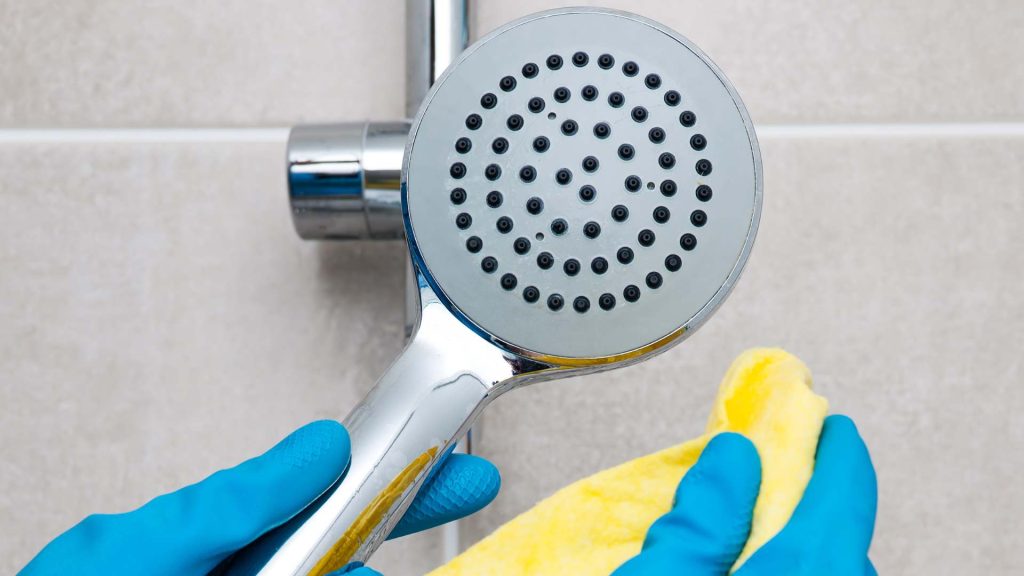
Use white vinegar, baking soda, or a mild mould remover. Spray or spread the solution over the affected areas, especially grout and corners.
Let it sit for a few minutes so it can break down the mould. This helps lift dirt and makes scrubbing easier.
3. Scrub the Mould Off Gently
Use a soft brush or an old toothbrush to scrub the moulded areas. Small circular motions work best on grout and tight corners.
Avoid using metal brushes, as they can damage your tiles. Take your time until the mould starts to loosen.
4. Rinse and Dry the Shower Area
Rinse everything with warm water to wash away the cleaner and any loosened mould. Wipe the surfaces with a clean cloth or towel to remove any leftover moisture.
Drying the shower properly helps stop mould coming back. Regular drying can also make future cleaning quicker.
How to Stop Mould Returning in Your Shower?
Once you clean the mould, the next step is keeping it from coming back. A few simple habits can make a big difference and help your shower stay fresh longer.
1. Improve Ventilation After Every Shower
Good airflow helps dry your bathroom quicker and reduces dampness. Open a window, switch on the extractor fan, or leave the door slightly open after using the shower.
Even a few minutes of ventilation can prevent moisture from building up. This small step is one of the most effective ways to keep mould away.
2. Wipe Down Surfaces Daily
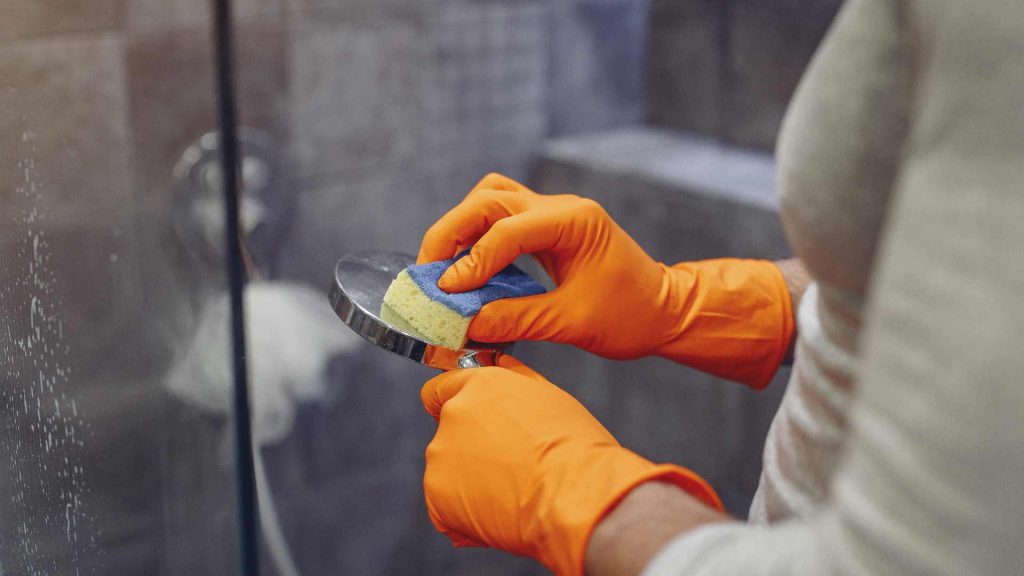
A quick wipe after each shower helps stop water sitting on tiles and glass. Use a cloth, towel, or squeegee to remove droplets from walls and screens.
This simple habit removes moisture before it can cause problems. It also keeps your shower looking cleaner between deep cleans.
3. Fix Leaks and Damaged Grout Early
Small leaks, cracked tiles, or worn grout can let water collect behind the surface. This hidden dampness encourages mould growth even if the shower looks tidy.
Fixing these issues early stops moisture building up inside the walls. It also helps protect your bathroom structure.
4. Use Mould-Resistant Products Where Possible
Mould-resistant grout, sealants, or sprays can help protect the areas most at risk. These products slow mould growth and keep the surface easier to clean.
They are especially useful around corners and joints where dampness collects. Using them as part of your routine can make long-term care much easier.
Conclusion
Removing mould from a shower is simple when you understand why it forms, follow safe cleaning steps, and take small measures to stop it returning. With good ventilation, regular wiping, the right cleaning products, and quick repairs, you can keep your shower fresh and free from mould for longer.
If the problem is persistent or you would rather have a professional handle it, VentSolve is here to help. Our team can inspect, clean, and treat your bathroom safely and effectively. Contact VentSolve today for expert mould removal and long-lasting solutions you can rely on.
FAQs
1. What causes mould to appear in my shower so quickly?
Mould appears when tiles, grout or caulk remain damp and there is little airflow. Warm, moist air from showers, soap residue and poor ventilation make bathrooms an ideal place for mould to grow.
2. Can I use vinegar instead of bleach to clean the shower mould?
Yes. Vinegar is often recommended because it removes mould without damaging tiles or grout and avoids strong chemical fumes. For many surfaces vinegar works well and is safer for regular use.
3. How often should I clean my shower to prevent mould?
It’s best to wipe down and dry shower surfaces after every use, and do a deeper clean (grout, corners, seals) at least every few weeks. Regular cleaning and drying stops moisture building up, the main cause of mould.
4. Can your team handle tough or recurring mould problems for me?
Yes. We offer prompt inspections and professional mould-removal work for showers that keep getting mould, giving you a thorough clean and lasting protection you can rely on.
5. How quickly can you respond if I contact you about mould in my shower?
We aim for fast call-outs and often attend to mould issues on the same day, especially in urgent cases. You can expect swift, efficient service.
6. Is professional mould removal better than repeated DIY cleaning?
In many cases, yes. Professional treatment tackles the moisture and ventilation issues behind the mould, while repeated DIY cleaning often only removes what you can see.